المثاقب الصدمية
AETHEL builds impact drills for brands and importers who need one tool that drills masonry as well as wood and metal. The impact drill sits between a plain electric drill and a rotary hammer, and it is the model most buyers use to cover the widest part of a DIY and light-trade range without adding a second SKU.
Our impact drill programme is supplied under your brand, with the chuck, switch and kit configuration your market expects.
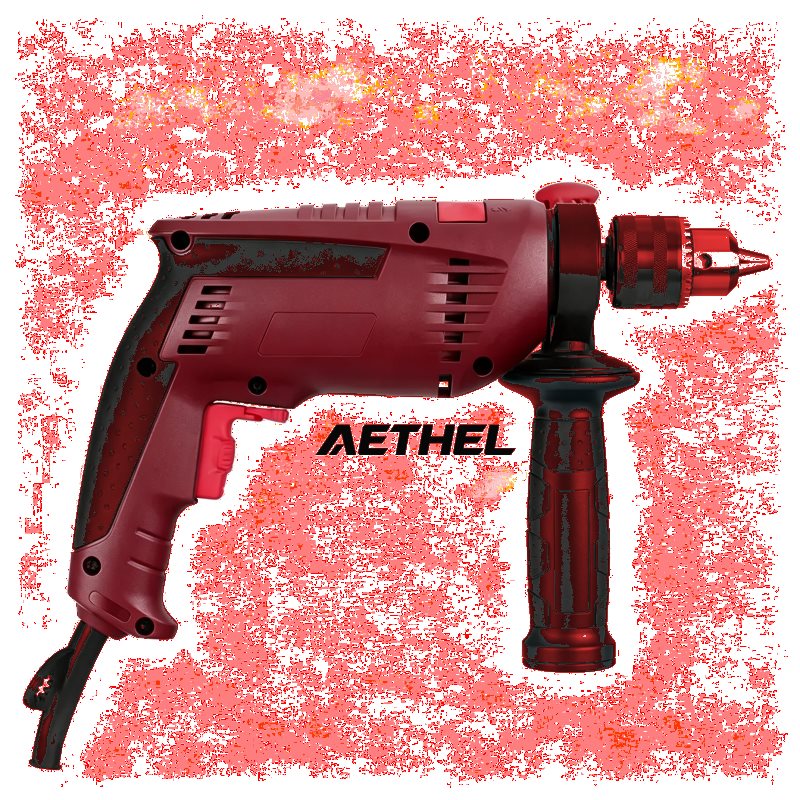 AL-ID-001
AL-ID-001
Impact Drill AL-ID-001
Impact drill with hammer action for drilling into concrete and masonry.
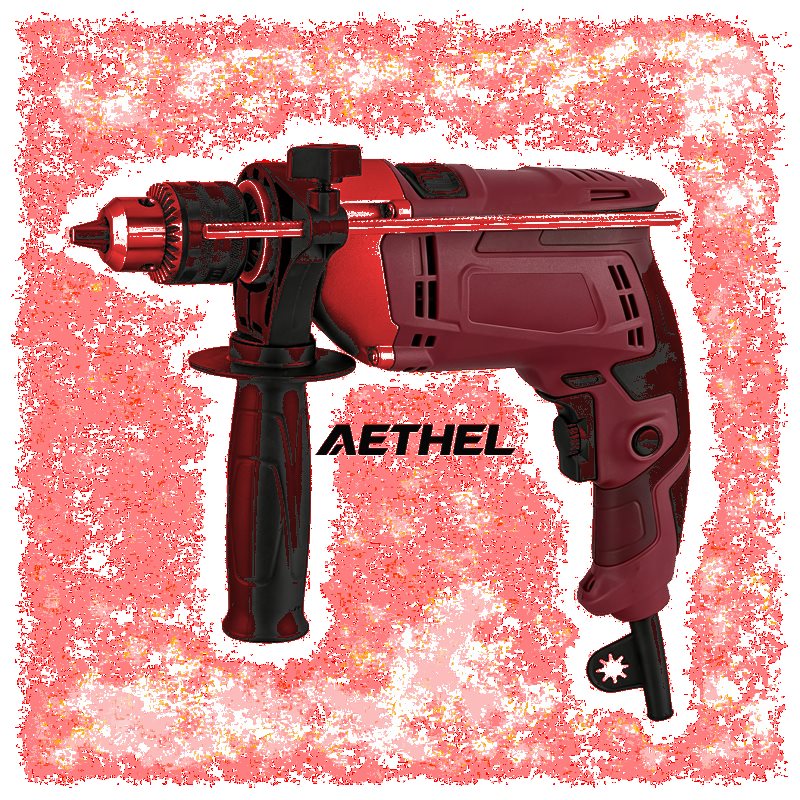 AL-ID-002
AL-ID-002
Impact Drill AL-ID-002
Impact drill with hammer action for drilling into concrete and masonry.
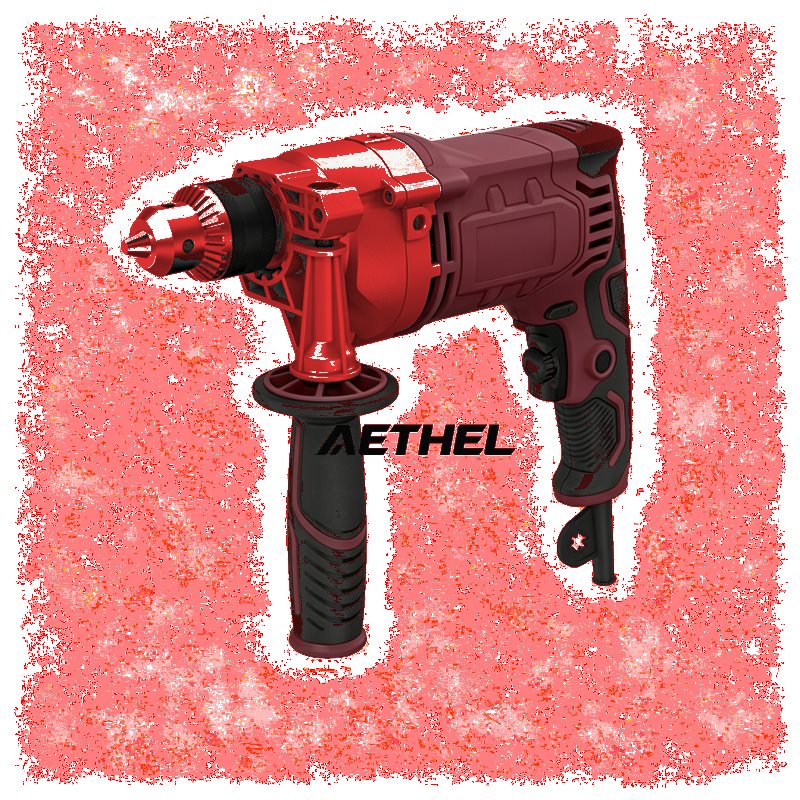 AL-ID-003
AL-ID-003
Impact Drill AL-ID-003
Impact drill with hammer action for drilling into concrete and masonry.
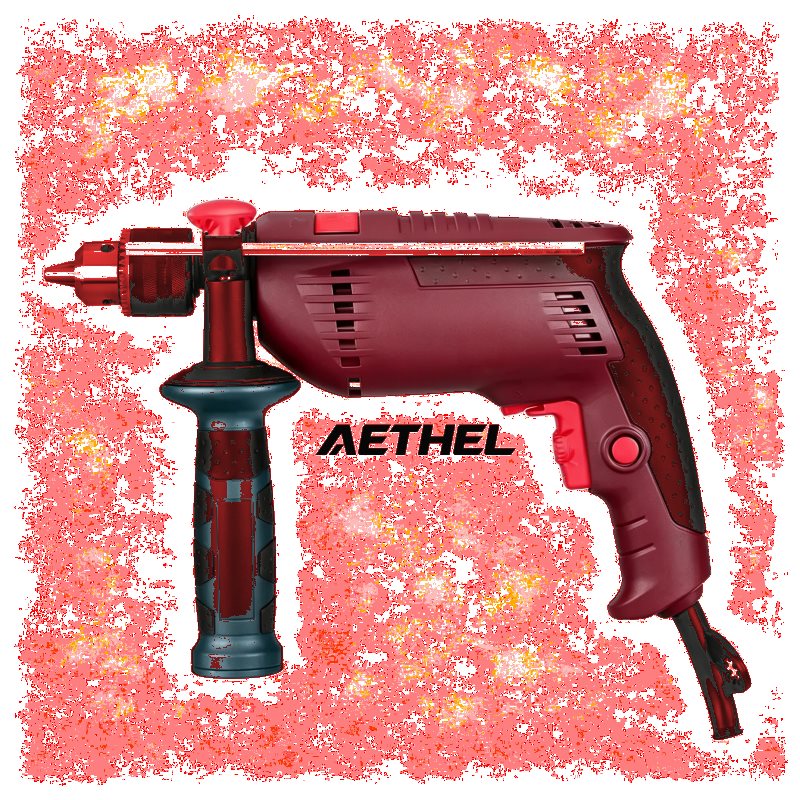
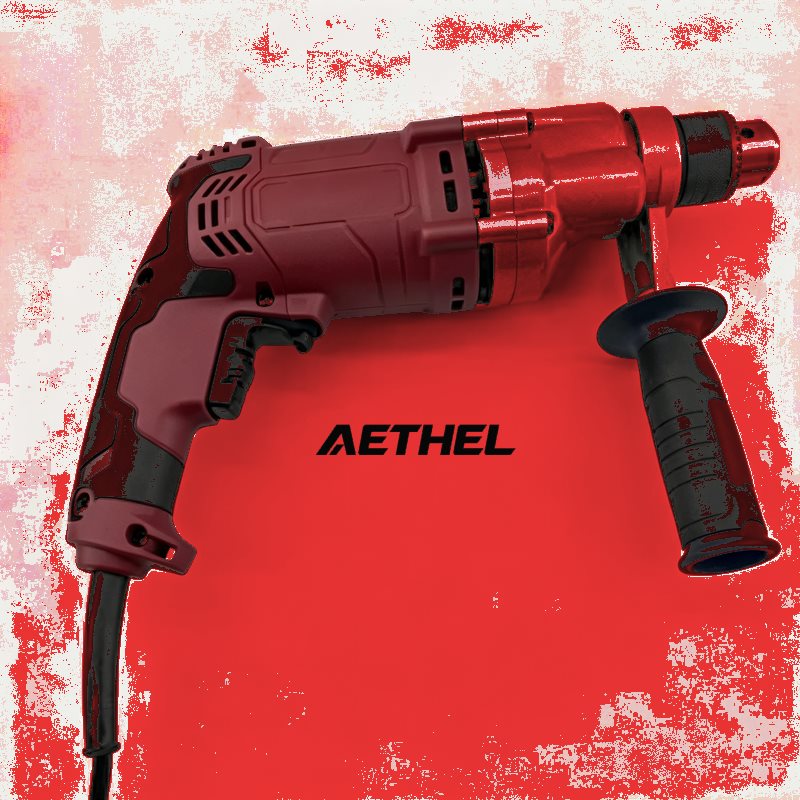
What we build on the impact drill line
The AL-ID series covers corded impact drills with hammer action for masonry work, variable-speed triggers and forward/reverse, supplied with keyless or keyed chucks as the model requires. Because this category is sold to users who want one tool for several jobs, the accessory kit matters: masonry bits, wood bits and a case turn a bare tool into a shelf-ready product and are specified with the order rather than added later.
How to specify an impact drill order
Confirm the chuck size and motor power your market expects at the price point, then whether hammer action can be switched off — buyers drilling metal and wood want that option and it is a selling point on the box. Fix the trigger type, the chuck type and the maximum drilling diameter you intend to claim, then decide the kit contents. Finally settle voltage and plug standard, cable length and packing format.
Private label and brand consistency
Private label is the default: your logo on the housing, your colour on the body, your rating label, manual and carton. If you also take drills, grinders and hammers from us, we keep the colour and finish consistent across the range so the shelf looks like one family rather than five different suppliers.
Certification and quality control
Impact drills are built to the certification your destination requires, across CE, GS, UL and ETL with RoHS for Europe. Pre-shipment inspection covers appearance, function, hammer action, speed control and the electrical safety tests the market demands, with records available alongside the shipping documents.
MOQ, sampling and lead time
MOQ depends on the model and on how much of the tool you change — logo and carton work starts lower than a new housing colour with a new kit. We send a pre-production sample for approval and schedule production from that sign-off, so the specification is fixed on a unit you have held.
Pair it with the rest of the range
Impact drills are usually bought alongside rotary hammers, angle grinders and electric drills. One supplier across the range means one inspection standard, one set of documents and one shipment to track.
Send us the chuck size, drilling diameters and target price — we will propose the models and the accessory kit.
Frequently asked questions
- What is the difference between an impact drill and a rotary hammer?
- An impact drill uses a ratcheting hammer action and suits occasional holes in brick and block. A rotary hammer uses a pneumatic hammer and is the right tool for regular concrete drilling. Stocking both is normal; mixing them up is what causes returns.
- Which voltage and plug type do you build for?
- Voltage, frequency and plug type are set per destination market. Give us the country you are importing into at quotation stage and we will confirm the configuration for the exact models you select.
- What is the MOQ?
- 500 pcs per model, and mixed models inside the impact drill range on a first order.
- Can the nameplate and rating label carry our brand?
- Yes. Nameplate, rating label, colour box, user manual and carton markings are all part of the private-label pack, and we check them against the specification before the line runs.