What an Electric Impact Wrench Actually Does
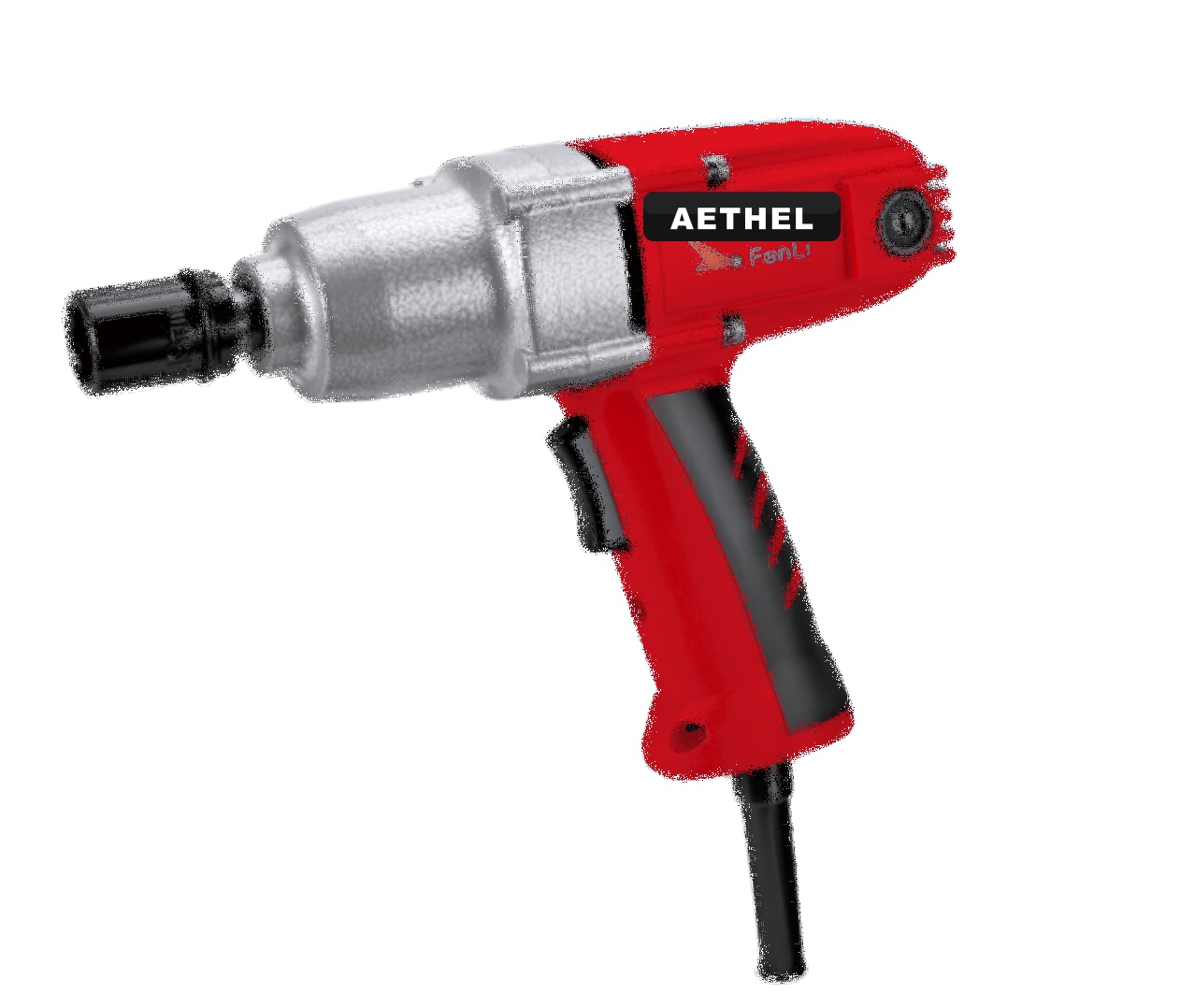
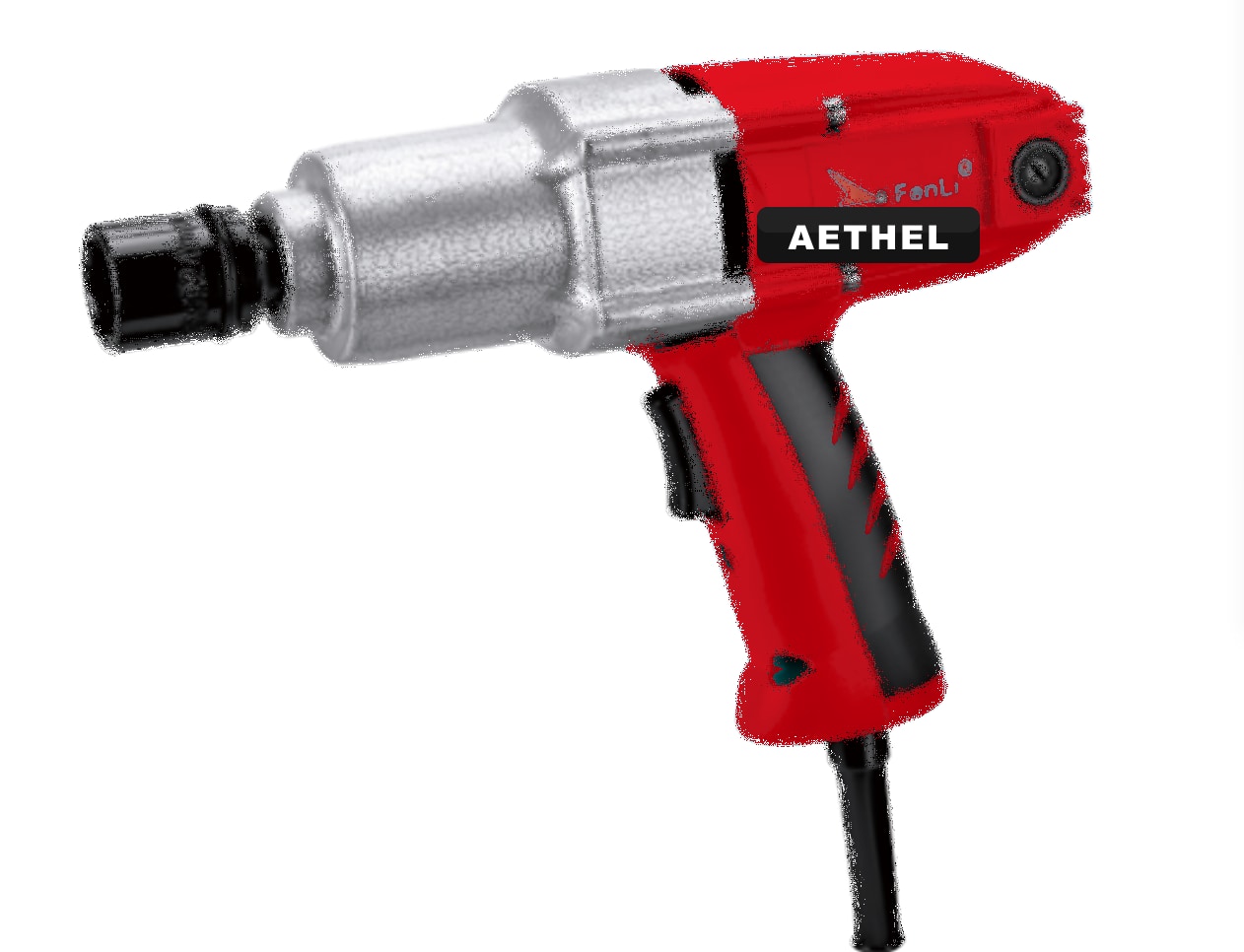
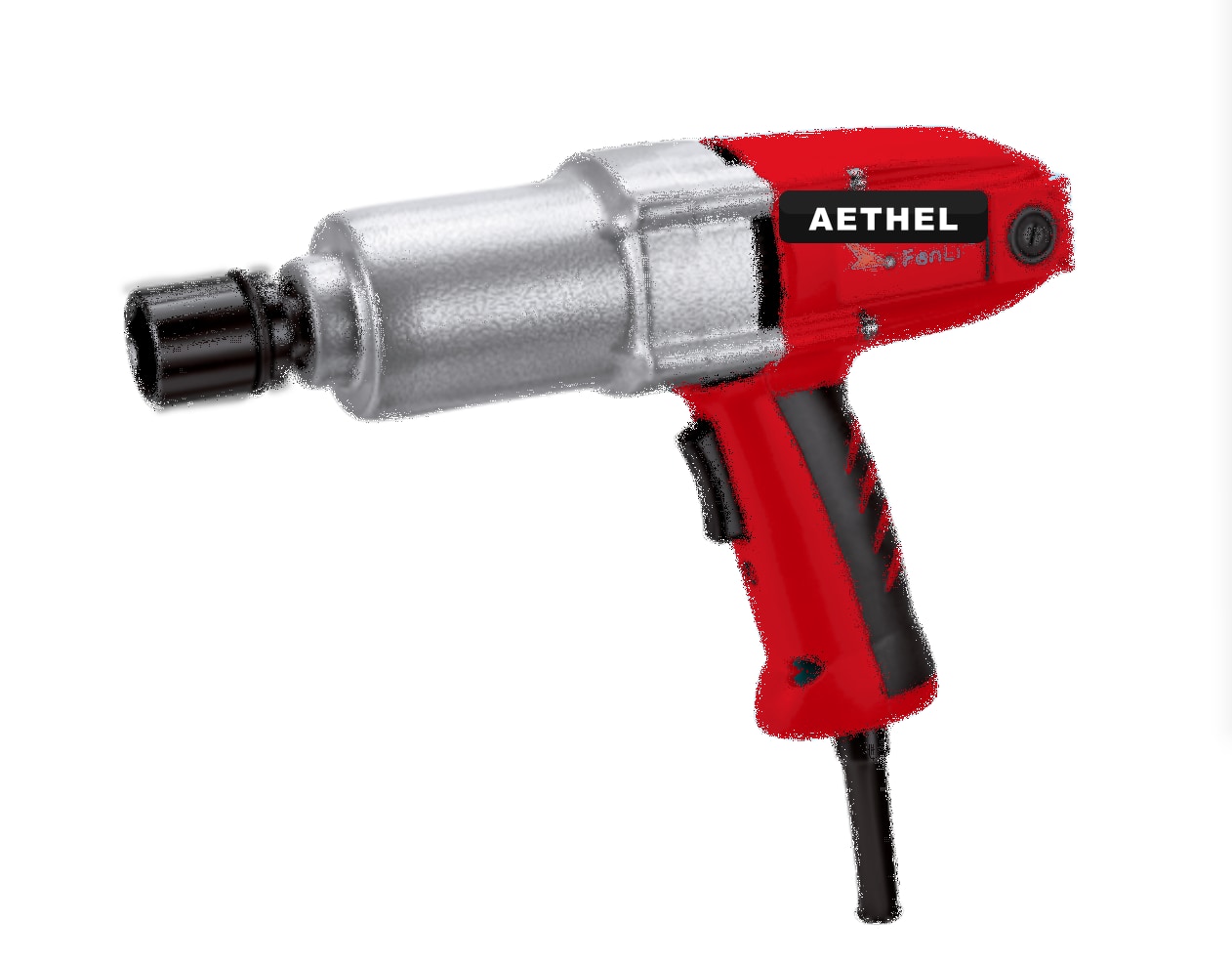
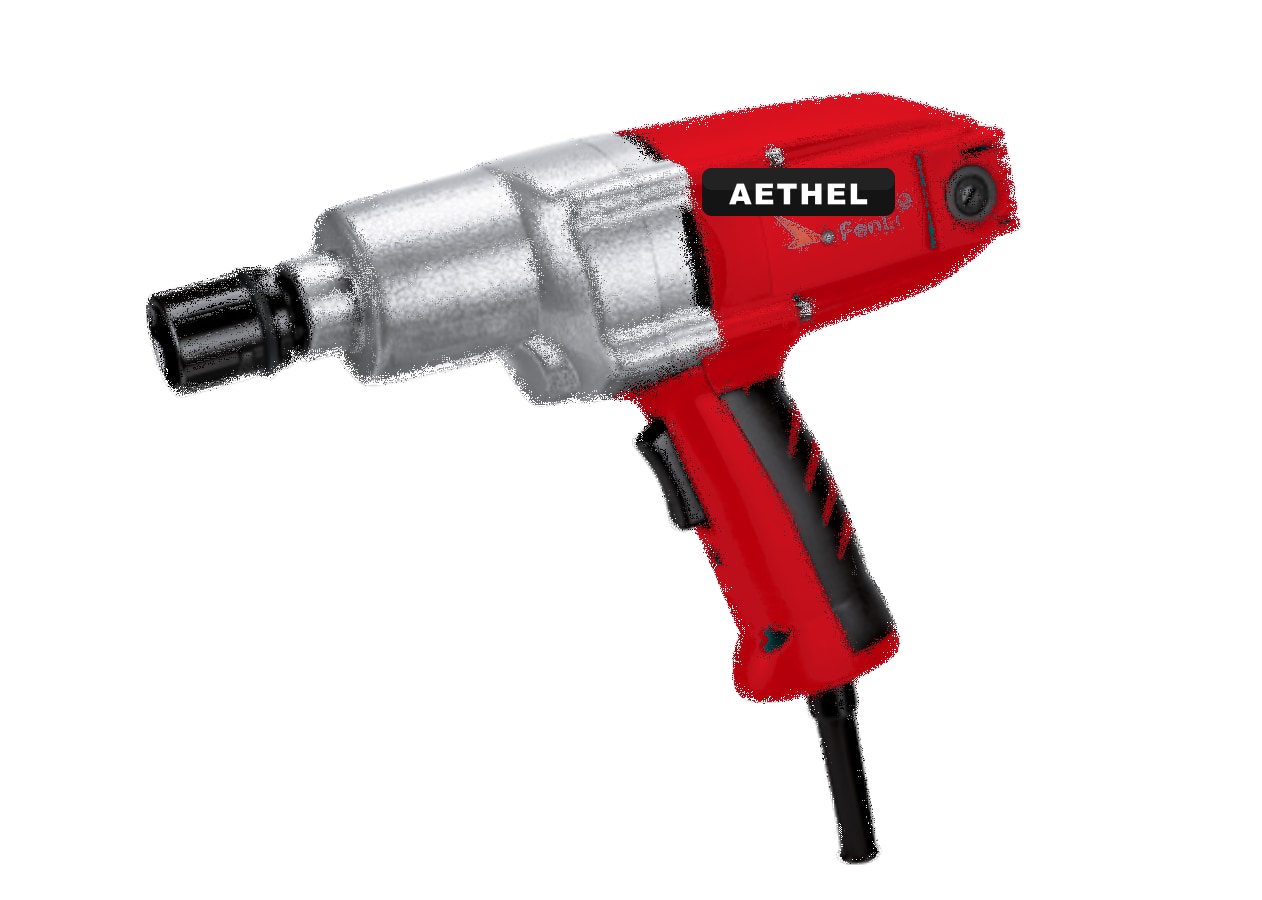
An electric impact wrench tightens and loosens threaded fasteners using a rotating hammer-and-anvil mechanism instead of continuous motor torque. A spring-loaded hammer strikes the anvil several times per revolution, so the tool delivers short bursts of very high torque without the operator having to resist the full reaction force. That is why a 6 kg corded wrench can undo a truck wheel nut that a 1.5 m breaker bar cannot budge. The practical consequence for buyers: an impact wrench is primarily a **removal and rundown tool**, not a precision tightening tool. It spins a nut off or runs it down in seconds; final tightening torque should still be verified with a torque wrench. Understanding this split is the difference between buying the right tool and buying a tool that strips threads.
Drive Size: 1/2", 3/4" or 1" — The First Decision
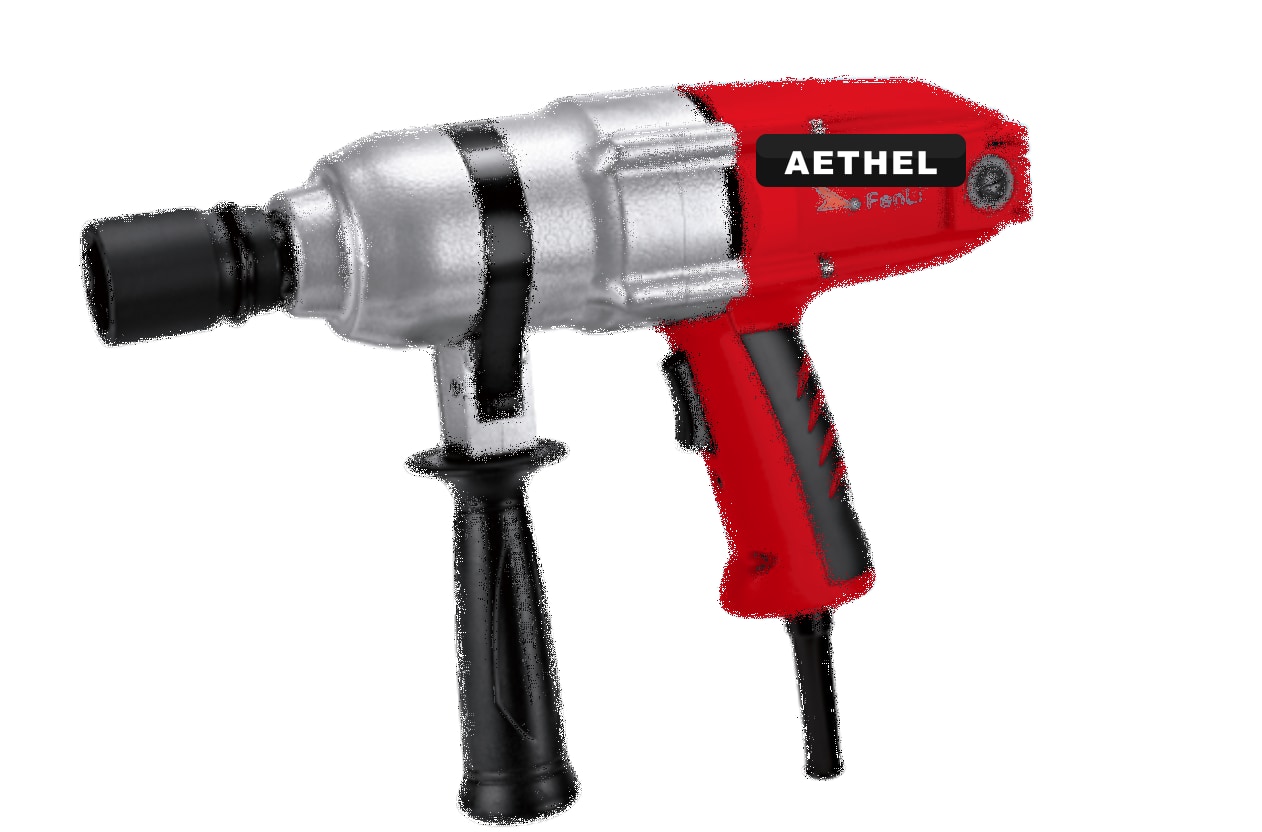
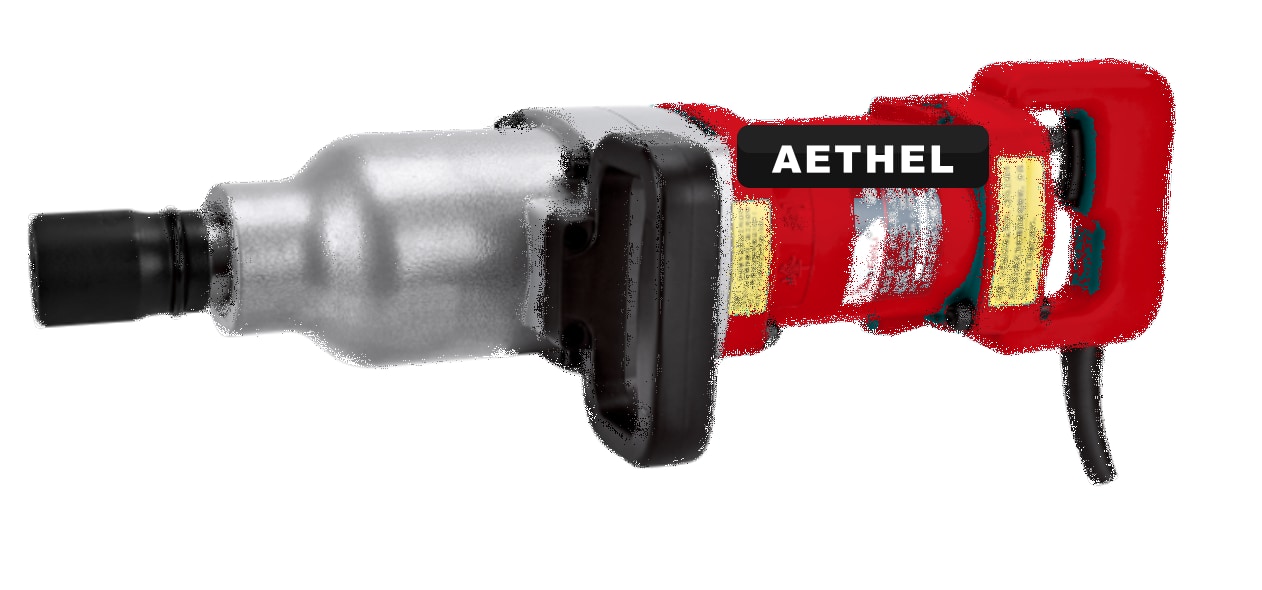
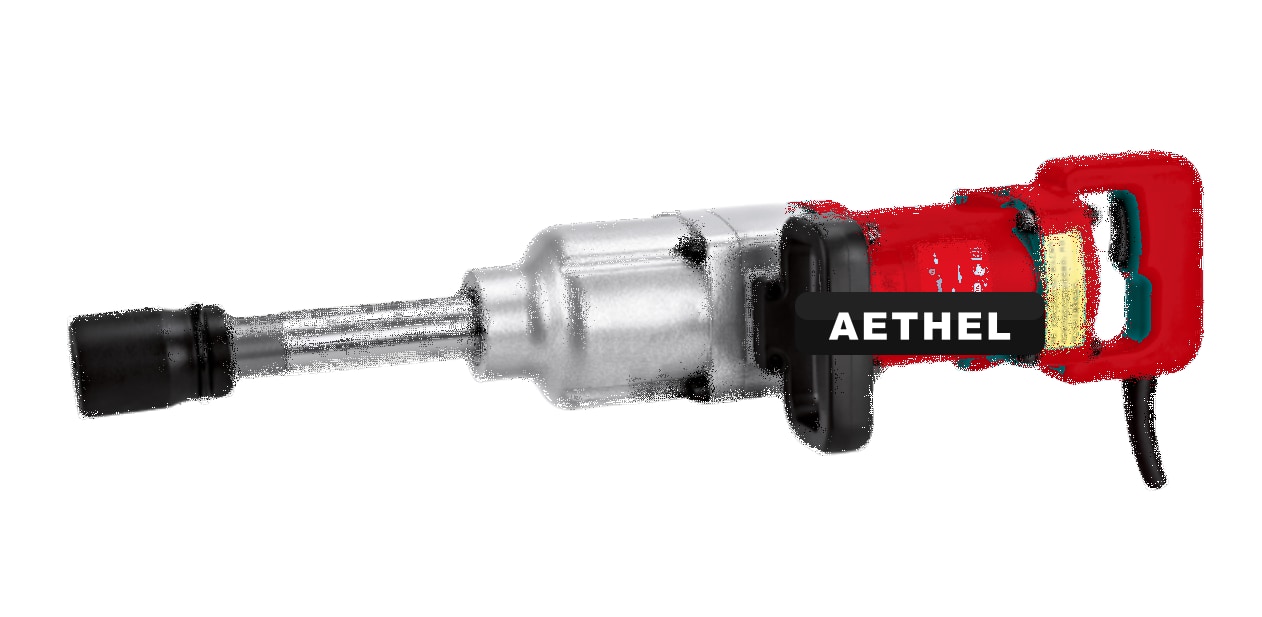
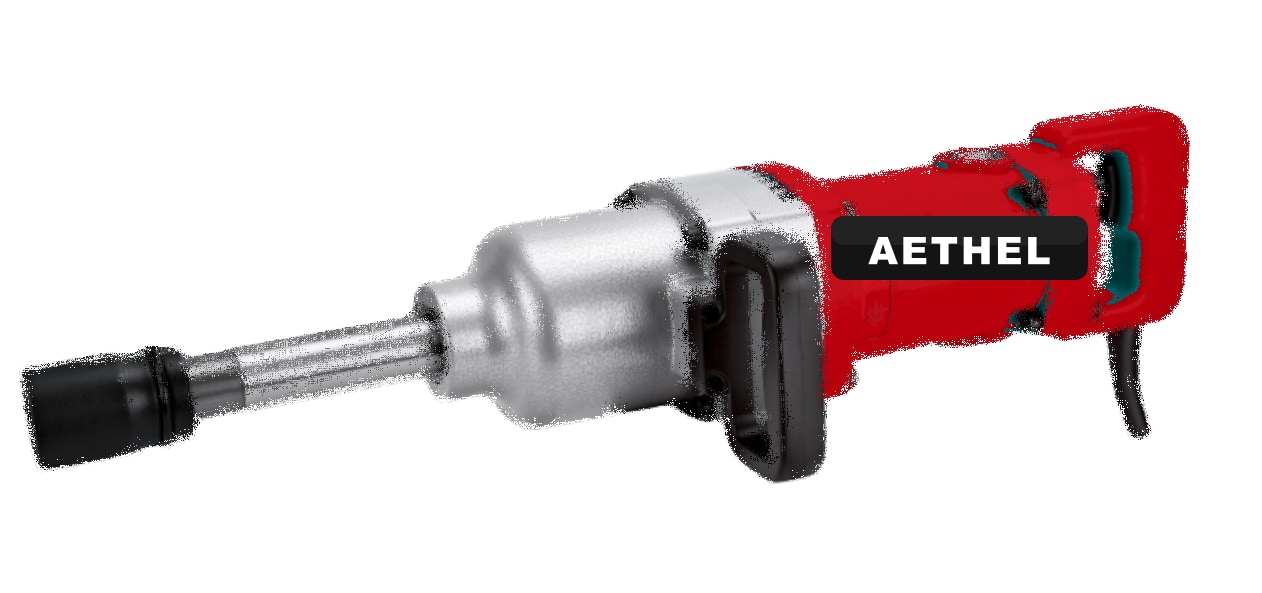
The square drive is the single most important choice, because it sets both the socket range and the realistic torque ceiling. A drive that is too small will twist or snap under load; too large, and the tool becomes heavy and expensive for light work. • **1/2" (12.7 mm)** — passenger cars, vans, light commercial vehicles, M8–M22 fasteners. This is the volume seller: the size most workshops and retail DIY buyers actually need. • **3/4" (19 mm)** — trucks, buses, agricultural machinery, M18–M24. Heavier sockets, higher torque, still manageable in one hand. • **1" (25.4 mm)** — heavy trucks, mining and port equipment, steel structures, M22–M45. Two-handed tools, often used with a side handle. For distributors: the 1/2" drive is your entry price point and your highest unit volume. The 1" drive is a low-volume, high-margin professional item that wins you credibility with industrial customers. Carrying all three lets you quote a complete range instead of losing the enquiry.
Torque: Matching the Number to the Job (and Why Bigger Isn't Always Better)
Rated torque on an electric impact wrench is normally stated as maximum torque in Nm, measured as the peak of the impact bursts. It is not a continuous figure, and it is not the torque you should tighten to. Here is the reference point that matters — typical dry tightening torque for grade 8.8 steel bolts: • M8 ≈ 25 Nm • M10 ≈ 49 Nm • M12 ≈ 86 Nm • M16 ≈ 210 Nm • M20 ≈ 410 Nm • M24 ≈ 710 Nm • M30 ≈ 1,450 Nm • M36 ≈ 2,500 Nm • M45 ≈ 4,800 Nm Now the useful rule: **for removal, choose a wrench whose rated torque comfortably exceeds the tightening torque of the fasteners you meet** — corroded and thread-locked fasteners need far more to break free than they needed to tighten, so plan on roughly 1.5–2× the tightening figure. For final tightening, use a torque wrench and treat the impact wrench as the tool that gets you there fast. This also explains why a 2,500 Nm wrench is not "better" for a workshop doing passenger cars: at that power level you will over-torque, stretch and eventually snap M10 and M12 studs. Match the tool to the fastener, not to the biggest number on the box.
Bolt Capacity: Read It as a Working Range, Not a Limit
Catalogues list bolt capacity as a range, for example M8–M12 or M24–M36. Two things are worth knowing: • **The lower number is the real constraint.** A 1" drive 2,500 Nm wrench rated M30–M45 will happily round off an M10 bolt head — not because it cannot turn it, but because it will destroy it. Always keep a smaller wrench for small fasteners. • **The upper number assumes reasonable condition.** An M36 nut that has been on a truck chassis for eight years in a coastal climate may need more than the nominal figure, or heat, before it moves. The practical stocking rule for importers: sell the bolt range your customer's fleet actually uses. A tyre shop wants M12–M22; a truck depot wants M18–M30; a mining operation wants M30–M45 and will not consider anything smaller.
Power, Speed and Duty Cycle
Rated input power (W) tells you how much sustained work the motor can do before it overheats, while no-load speed (RPM) tells you how fast the wrench runs a nut down. They are not the same thing as torque, and they trade off against each other: • 300 W / 1,700–1,900 RPM — light 1/2" models. Fast rundown, low thermal mass, fine for intermittent tyre and assembly work. • 600 W / 1,900 RPM — the 1/2" and 3/4" mid range. Handles repeated wheel changes without slowing. • 1,050 W / 1,400 RPM — 1" drive truck wrenches. Lower speed, much higher impact energy per blow. • 2,800 W / 1,750 RPM — 1" heavy industrial. Built for continuous bolting on M30–M45. Duty cycle matters more than any single figure. A 300 W wrench used all day on a production line will fail; the same tool used ten times a morning lasts years. If your customer's operation runs the tool hard, quote the higher wattage — and check that the machine has a metal gear housing and a cooling fan rather than a sealed plastic case.
Quality Signals to Check Before You Order
Two impact wrenches with identical spec sheets can differ enormously in service life. When evaluating a factory, ask for these specific points: • **Impact mechanism material** — hardened steel hammer and anvil, not sintered or soft-cast parts. This is the first thing that fails on a cheap wrench. • **Metal gear housing** — dissipates heat and holds gear alignment under impact. All-plastic housings are a cost signal. • **Square drive hardness** — a soft drive deforms and destroys sockets. Ask for the hardness spec. • **Forward/reverse switch quality** — the second most common failure point after the impact mechanism. • **Cable and strain relief** — heavy-duty rubber cable with a proper gland, not a thin PVC lead entering a plastic hole. • **Certification** — CE and EMC for the EU; UL/ETL for North America. Ask which certificates cover the exact model you are buying, not the brand generally. • **Spare parts availability** — carbon brushes, switches and impact mechanisms should be orderable separately. If a factory cannot supply spare parts, it cannot support a professional customer.
Which Industries Buy Which Class
This is the map most sourcing enquiries follow, and it is worth building your range around it: • **Automotive workshops and tyre services** — 1/2" drive, 150–350 Nm. Highest volume, most competitive, most price-sensitive. • **Truck, bus and agricultural dealers** — 3/4" and light 1" drive, 500–850 Nm. Buyers value durability and availability of sockets over the lowest price. • **Steel structure and construction** — 1" drive, 850–1,100 Nm, used for scaffold clamps, tower assembly and temporary works. High torque, moderate duty. • **Mining, ports and heavy plant** — 1" drive, 1,100–2,500 Nm. Low volume, high unit value, often tendered with certification requirements. • **Wind energy maintenance** — 1" drive, high torque, with strict documentation requirements. A category where a supplier's quality-control paperwork matters as much as the tool.
Buyer's Checklist Before Ordering Impact Wrenches
1. **Drive size** — match to the dominant socket range of your market, not to the biggest number available. 2. **Torque vs bolt range** — confirm the rated torque comfortably exceeds the tightening torque of the target fasteners. 3. **Bolt capacity** — check the lower bound; that is where misuse and warranty claims come from. 4. **Power and duty cycle** — decide between intermittent and continuous use before choosing wattage. 5. **Voltage and plug** — 220 V / 50-60 Hz is standard for many markets; confirm the destination market's requirement. 6. **Certification** — CE/EMC or UL/ETL, covering the specific model. 7. **Spare parts and sockets** — confirm both can be supplied alongside the tool. 8. **MOQ and packaging** — heavier models usually carry a lower MOQ than 1/2" volume lines; plan your container mix accordingly. If you are sourcing for resale, order one sample from each candidate factory in the same class and compare them on the same fastener. Torque figures on paper converge; build quality does not.