AETHEL

2026-11-18

How to Choose a Belt Sander: Belt Size, Power & Dust Collection Explained

Belt size, motor power, belt speed and dust collection — the specs that decide which belt sander to stock for cabinet makers, joiners and fabricators.

Belt Size: The First Specification

Belt size decides both the width of stock the tool can face and the price point. 76 × 533 mm is the standard all-rounder for furniture, joinery and general woodworking — the volume seller. 100 × 610 mm suits wider surfaces and heavier removal, favoured by cabinet shops and metal fabricators. Recommend the belt size against the width of the work your customers actually face, because a belt that is too narrow makes slow, uneven progress on wide panels.

Power and Belt Speed

Rated power in our AL-BS range runs 800 W to 1,200 W, with belt speed from 120 m/min up to 500 m/min. Higher wattage holds the belt under load, and higher belt speed removes stock faster but demands more control. For a distributor, the mid-range 900 W machines cover most woodworking demand, while 1,200 W suits production and heavier work. Confirm the belt-tracking adjustment and a quick-release lever — these are the features users feel every belt change.

Dust Collection: A Bag, a Port, or Both

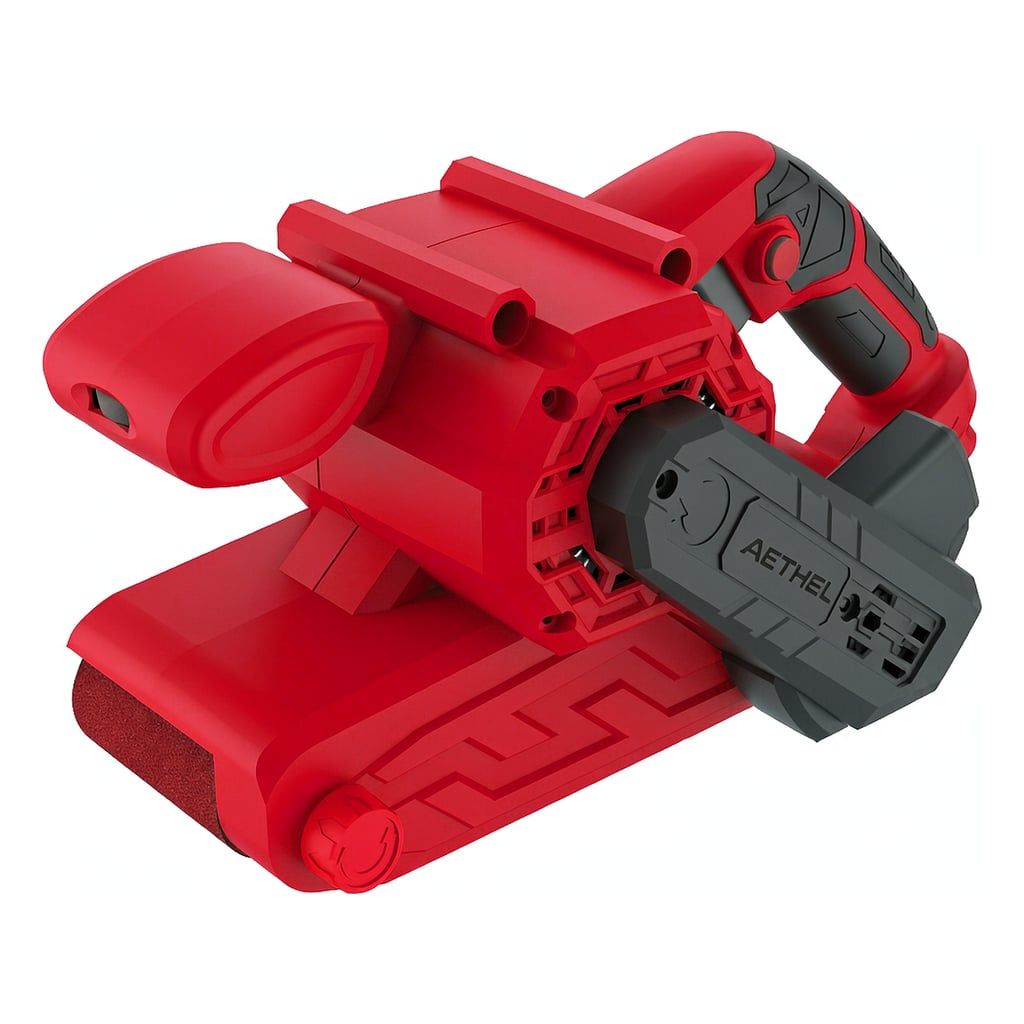
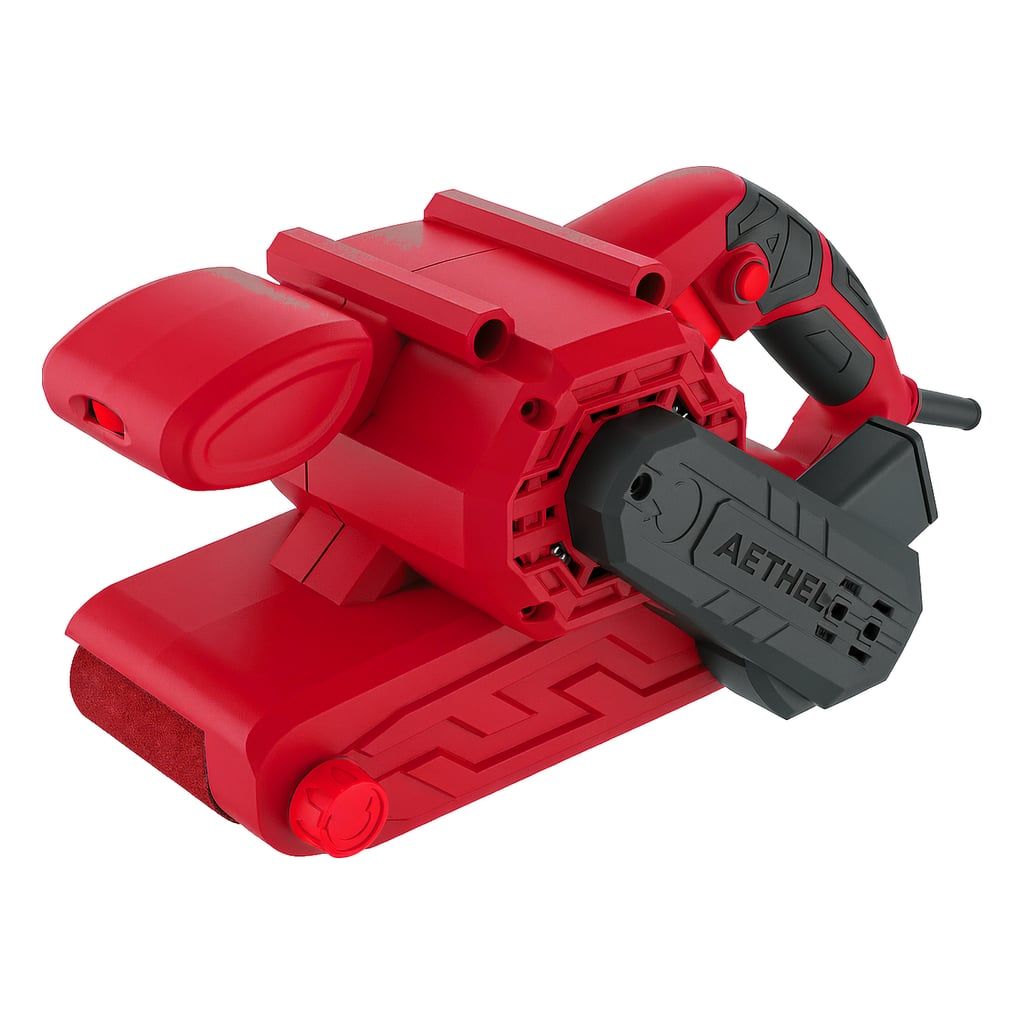
Dust collection is a genuine buying trigger for belt sanders, because they produce a lot of it. Models ship with a dust bag, a dust-extraction port, or both — a bag suits standalone use, while a port connects to a shop vacuum or extractor for cleaner, safer work. The AL-BS-001 offers a dust bag with a flip-over body, and the AL-BS-005 adds a 360° rotating bag. Confirm what your market expects, because a sander without proper dust collection gets returned in dust-sensitive workshops.

Belt Sander vs Orbital Sander

These are different tools for different jobs. A belt sander removes stock fast and is for flat surfacing, levelling and heavy material removal; an orbital or random-orbital sander is for fine finishing with less risk of gouging. Cabinet makers and fabricators buy belt sanders for the rough-to-medium work and orbitals for finishing — so a woodworking distributor often carries both. Stock belt sanders where the work is about removing material, not polishing.

What to Check Before You Buy

Fix belt size first, then motor power and belt speed. Confirm belt tracking, the quick-release mechanism and the dust-collection arrangement, then voltage and plug standard, cable length and packing. Sanding belts are a consumable your customers rebuy, so build the first belts into the carton and use them as an attachment point for your own branded consumable range later.
Preguntas Frecuentes

What belt size do I need?

76 × 533 mm is the standard for furniture and joinery; 100 × 610 mm for wider surfaces and heavier removal.

Belt sander or orbital sander — which should I stock?

Belt sanders remove stock fast for flat surfacing; orbitals finish. Woodworking distributors usually carry both.

Do belt sanders need dust collection?

Yes — a dust bag or extraction port is a real buying trigger, especially in dust-sensitive workshops.

Can I private-label belt sanders?

Yes — AETHEL supplies the AL-BS range under your brand and colour with MOQ 500 pcs per model.

What consumables should I stock with belt sanders?

Sanding belts are the recurring consumable — build them into the carton and resell them as a branded line.

Productos Relacionados

Casos de Estudio OEM Reales

Ver Todos los Casos de Estudio →

Más Artículos

2026-08-17

AETHEL Tools — Your One-Stop OEM/ODM Partner for Power Tools & Agricultural Machinery

AETHEL is a professional OEM/ODM solutions provider backed by 500+ top-tier tool and agricultural machinery factories in China. Learn how we help global brands source, customize and ship quality tools — without hunting for factories one by one.

Leer Más →

2026-08-19

How to Choose a Rotary Hammer: SDS-Plus vs SDS-Max, Impact Energy & Power Explained

Rotary hammer, hammer drill or demolition hammer — which do you need? This complete buying guide explains SDS-Plus vs SDS-Max shanks, impact energy, power ratings and the exact specs to compare when sourcing a rotary hammer for concrete drilling.

Leer Más →

2026-09-12

Angle Grinder 115mm vs 125mm: Which Disc Size Should You Buy?

115mm or 125mm angle grinder — which disc size is right for your work? This guide compares cutting depth, power, price and disc availability, with practical advice for contractors, DIY users and B2B buyers sourcing angle grinders in bulk.

Leer Más →

2026-09-12

How to Choose an Electric Impact Wrench: Drive Size, Torque and Bolt Capacity Explained

1/2-inch or 1-inch? 150Nm or 2500Nm? This guide explains how drive size, torque rating and bolt capacity actually relate to each other, which jobs each class of electric impact wrench covers, and what to check before sourcing them in bulk.

Leer Más →

2026-11-12

How to Choose a Power Tools OEM Manufacturer in China (2027 Guide)

The buyer's checklist for vetting a Chinese power tools OEM/ODM factory: certifications, MOQ, lead time, quality control, battery platform and documentation — so you choose a partner, not a gamble.

Leer Más →

2026-11-18

How to Choose a Concrete Mixer: Drum vs Forced Action, Capacity, Power & Drive Explained

Electric, gasoline or diesel; drum or forced action; 80L or 300L — this buyer guide explains the concrete mixer specs that actually decide which machine to stock and sell.

Leer Más →

2026-11-18

Cordless vs Corded Power Tools: Which Should a Distributor Stock?

Battery convenience or corded value? This guide weighs cost, runtime, resale and market segment so distributors can build the right cordless-plus-corded range instead of guessing.

Leer Más →

2026-11-18

How to Choose a Demolition Hammer: Impact Energy, Shank & Weight Explained

Demolition hammer, breaker or jackhammer — this guide explains impact energy, shank systems and weight so you pick the right breaker for concrete breaking work.

Leer Más →

2026-11-18

How to Choose an Electric Planer: Planing Width, Depth & Rabbet Explained

Planing width, cutting depth, rabbet depth and blade system — the four specs that decide which electric planer to stock for woodworking and carpentry buyers.

Leer Más →

2026-11-18

How to Choose a Wood Router: Collet, Power & Plunge Stroke Explained

Collet size, motor power, plunge stroke and speed range — the specs that decide which electric wood router to stock for cabinet makers and joiners.

Leer Más →

2026-11-18

How to Choose a Hand Mixer (Paddle Mixer): Power, Paddle & Cordless Options

Power, paddle geometry, speed range and cordless vs corded — the specs that decide which paddle mixer to stock for decorators, tilers and plasterers.

Leer Más →

2026-11-18

How to Source Power Tools from China: A B2B Buyer's Complete Guide

Factory vs trading company, MOQ, certification, inspection and shipping — a practical guide for importers and distributors sourcing power tools from China.

Leer Más →
how to choose a belt sanderbelt sander buyer guidebelt sander sizebelt sander vs orbital sanderwood belt sander

Solicitar Cotización

Cuéntenos qué necesita: nuestro equipo de ventas responde en un plazo de 12 horas.