Rotary Hammer vs Hammer Drill: Know the Difference First
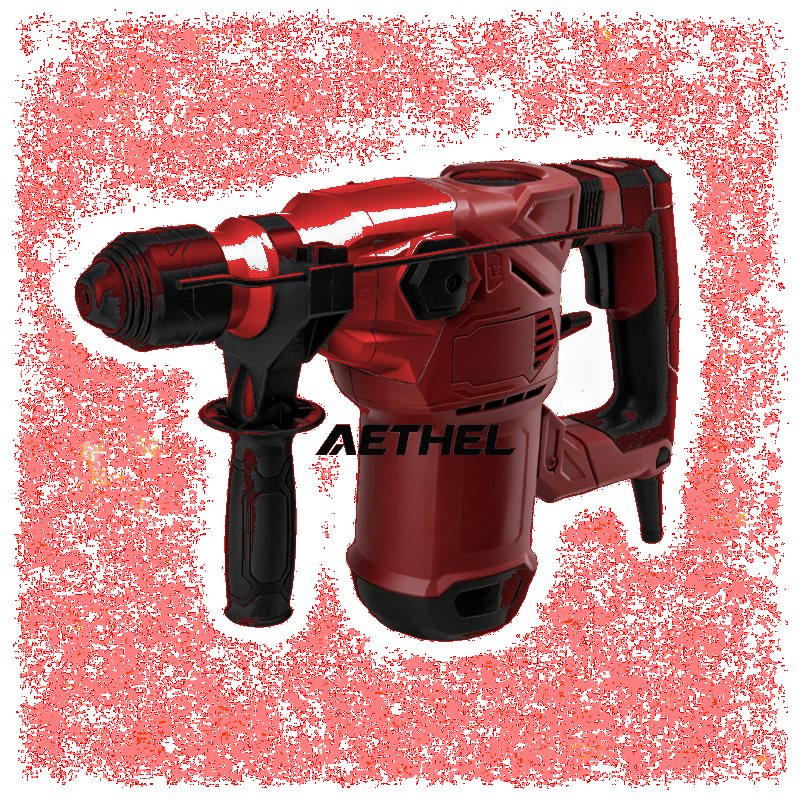
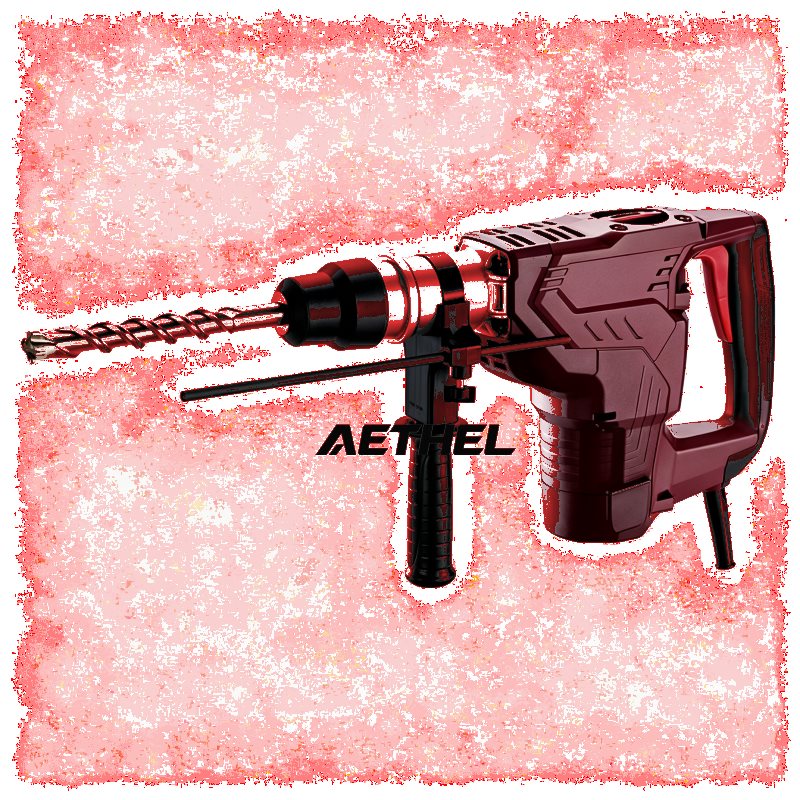
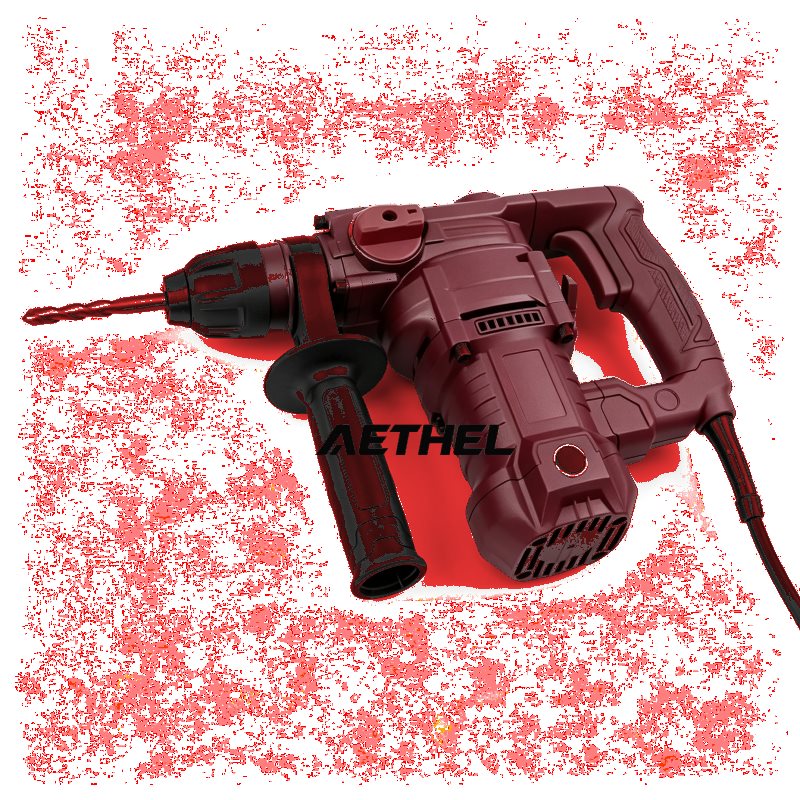
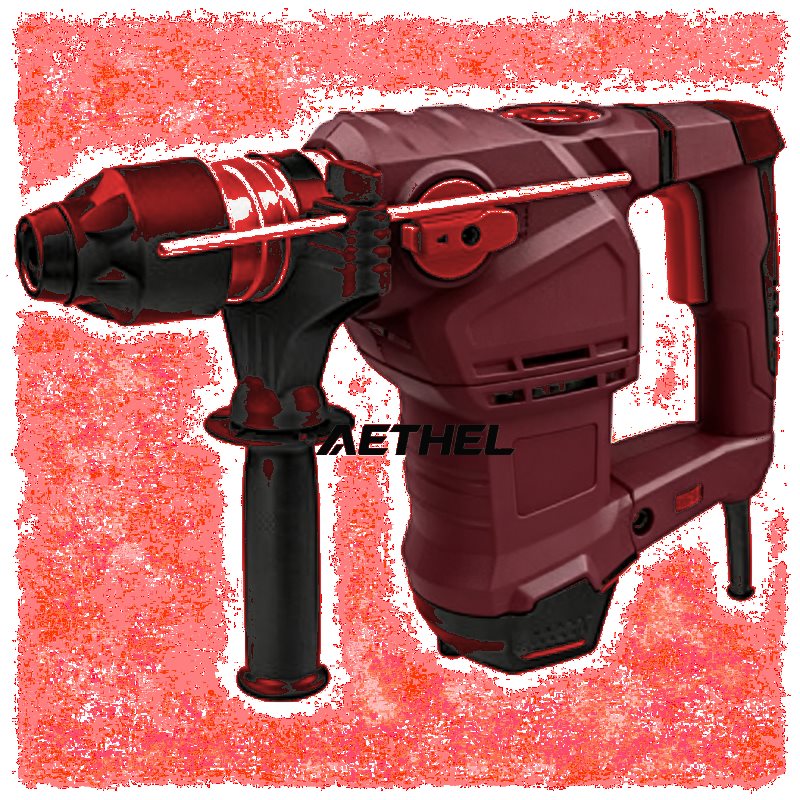
Before comparing specifications, understand the tool category. A hammer drill delivers rapid vibration mainly through the chuck, and it is fine for occasional holes in brick or light concrete. A rotary hammer — also called a combination hammer or SDS hammer — uses a pneumatic piston mechanism that strikes the drill bit with real impact force. For holes above 8–10 mm in reinforced concrete, or for frequent drilling, a rotary hammer is the correct tool. If the job is mostly chipping or breaking, you actually need a demolition hammer (see below).
SDS-Plus vs SDS-Max: Which Shank System Do You Need?
The shank system is the single most important compatibility decision. SDS-Plus (also called SDS+) bits have a 10 mm shank and are the standard for rotary hammers up to roughly 5 J impact energy. SDS-Max bits have an 18 mm shank, are thicker and more expensive, and are used on heavy rotary hammers above 5–8 J. As a rule: • SDS-Plus — drilling up to 26–30 mm holes in concrete, most common for general contractors and renovation work. • SDS-Max — drilling 30–52 mm holes, heavy chipping and core drilling. If you are buying a fleet of tools for resale or rental, match the shank system to the dominant job size in your market. SDS-Plus covers 80% of typical contractor work and keeps accessory costs low.
Impact Energy: The Number That Really Matters
Impact energy, measured in Joules (J), tells you how much force each strike delivers — this is the true power rating for concrete work, not watts alone. • 1.5–3 J: light drilling and chiseling, occasional concrete. • 3–5 J: the sweet spot for most contractors — drills 12–26 mm holes in concrete all day. • 5–8 J: heavy drilling, larger core bits, demolition-adjacent chipping. • 8 J and above: machine territory — normally SDS-Max, for breaking and large-diameter drilling. When comparing models, always compare impact energy at the same specification (for example "5.5 J" vs "5.0 J") — a difference of even 0.5 J is meaningful in hard concrete.
Power, Speed and Other Specs to Compare
Beyond impact energy, compare these figures across candidate models: • Rated power (W): typically 800–1,500 W for SDS-Plus hammers. Higher wattage supports sustained drilling without slowdown. • No-load speed (RPM): 600–1,000 rpm is normal; variable speed triggers give better control when starting holes. • Impact rate (BPM): 3,000–5,000 blows per minute; together with impact energy it defines drilling speed. • Drilling capacity: check concrete capacity (e.g. 26 mm) and steel/wood capacity if you need versatility. • Weight: 2.5–4 kg for SDS-Plus models. Heavier machines damp vibration better but tire the operator. • Chuck type: SDS-Plus quick-change chucks that accept standard drill bits are a strong selling point for contractors.
Rotary Hammer vs Demolition Hammer: When to Choose a Breaker
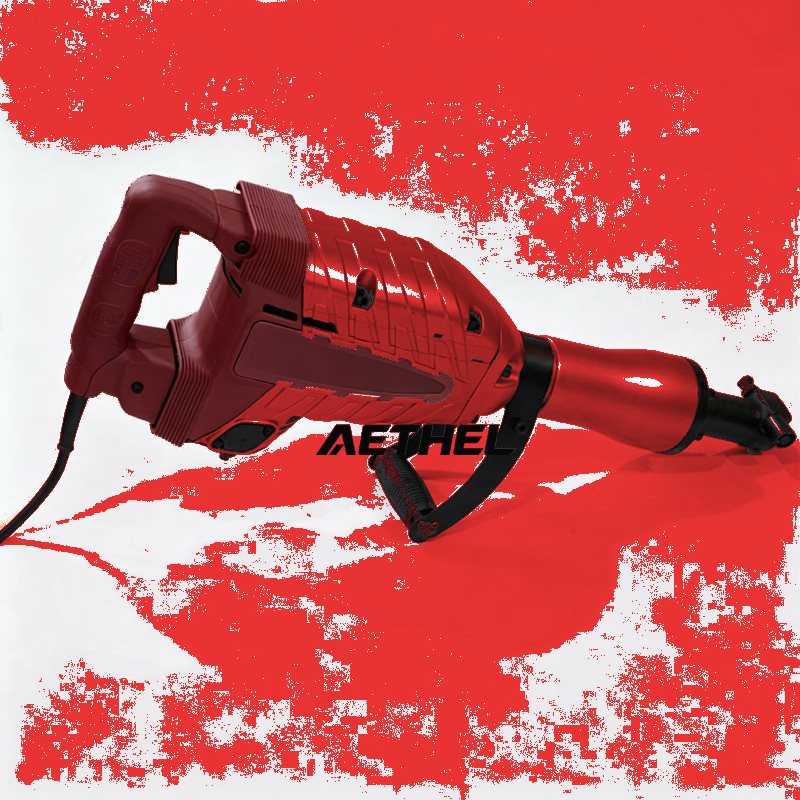
Many buyers confuse these two machines. A rotary hammer drills AND chisels — it is for creating holes in concrete and light chipping. A demolition hammer (breaker) only chisels: no rotation, maximum impact, built for breaking floors, walls and foundations. Choose a demolition hammer when the job is breaking rather than drilling — for example 20–45 J breakers for concrete renovation. If you need both capabilities, consider offering both categories in your range, as most distributors do. AETHEL supplies rotary hammers and demolition hammers from the same factories, so you can source the complete concrete-work family from one partner.
Corded vs Cordless: A Practical Note for Buyers
Corded rotary hammers remain the value and reliability choice for sustained concrete drilling — no battery cost, constant power, lower unit price. Cordless models add job-site convenience but cost more and need a battery platform. For B2B buyers, corded SDS-Plus hammers sell best in price-sensitive markets, while cordless performs well in rental and high-end segments. Decide based on the end-user profile in your target market, and stock accordingly.
Quality Signals: What to Check Before You Buy
When sourcing from a factory, verify these quality signals: • Anti-vibration system — real rubber damping around the handle and body. • Metal gear housing vs plastic: full-metal or metal+plastic hybrids last longer under impact. • Overload clutch (safety clutch) — protects the user and the machine when the bit jams. • Certifications — CE, GS, UL or ETL relevant to your market. • Spare parts availability — gears, chucks and brushes should be easy to source. A one-stop supplier with a quality-control team (like AETHEL) inspects these points for you before shipment, so the units you receive match the catalogue — not the samples.
Buyer's Checklist: 7 Points Before Ordering Rotary Hammers
1. Job type: drilling, chipping, or both? 2. Shank system: SDS-Plus (≤5 J) or SDS-Max (>5 J)? 3. Impact energy: minimum 3 J for serious concrete work. 4. Power: 800 W+ for continuous contractor use. 5. Weight and anti-vibration for operator comfort. 6. Safety clutch and metal gear housing for durability. 7. Certifications and spare-parts support for your market. If you are sourcing for resale, order samples from two factories and test them side by side on real concrete — the difference in impact energy on paper becomes obvious in the hand.