AETHEL

2026-11-18

Cordless vs Corded Power Tools: Which Should a Distributor Stock?

Battery convenience or corded value? This guide weighs cost, runtime, resale and market segment so distributors can build the right cordless-plus-corded range instead of guessing.

The Real Trade-Off: Convenience vs Cost

Cordless tools win on freedom — no cable, work anywhere, quick set-up. Corded tools win on price, constant power and zero battery replacement cost. For a distributor, the practical answer is usually both: corded covers the price-sensitive volume market, while cordless covers the trade and premium segment where users pay for mobility. The split is not about which is better overall but which customer each serves.

Battery Platforms: The Hidden Decision That Locks a Range

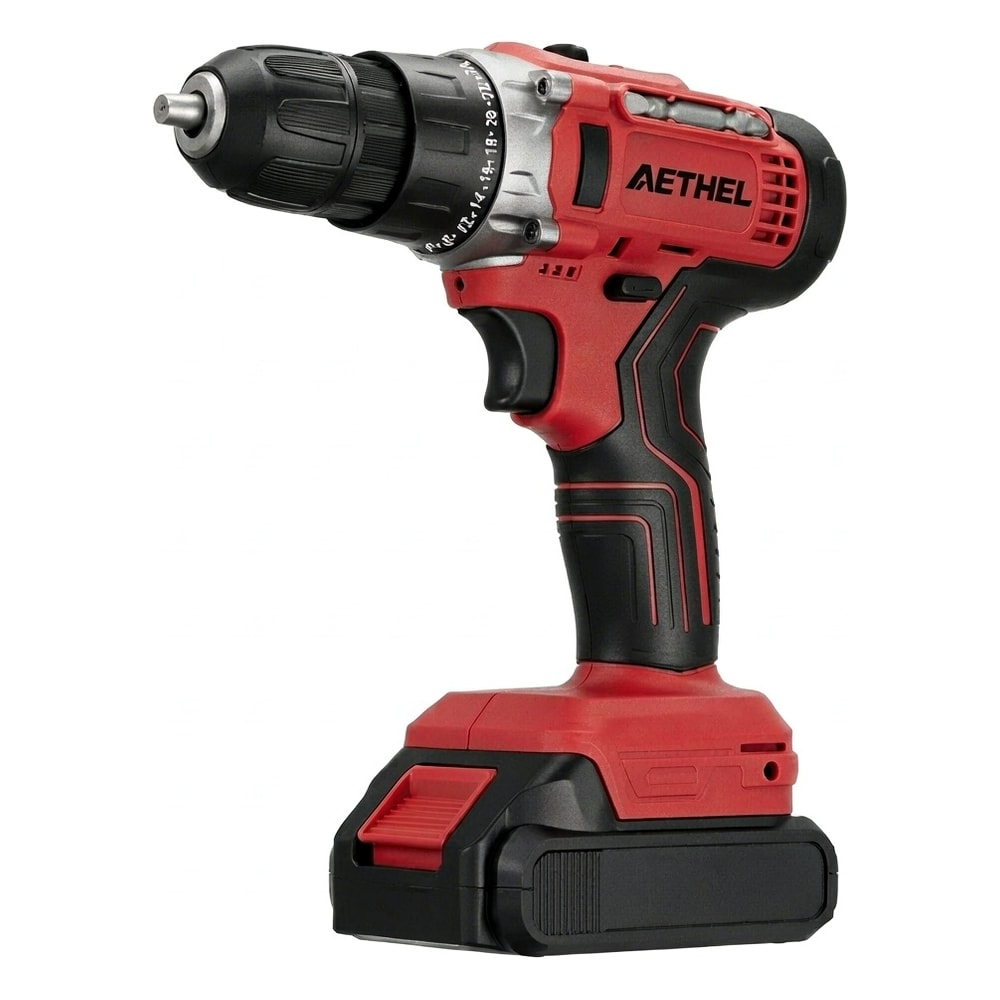
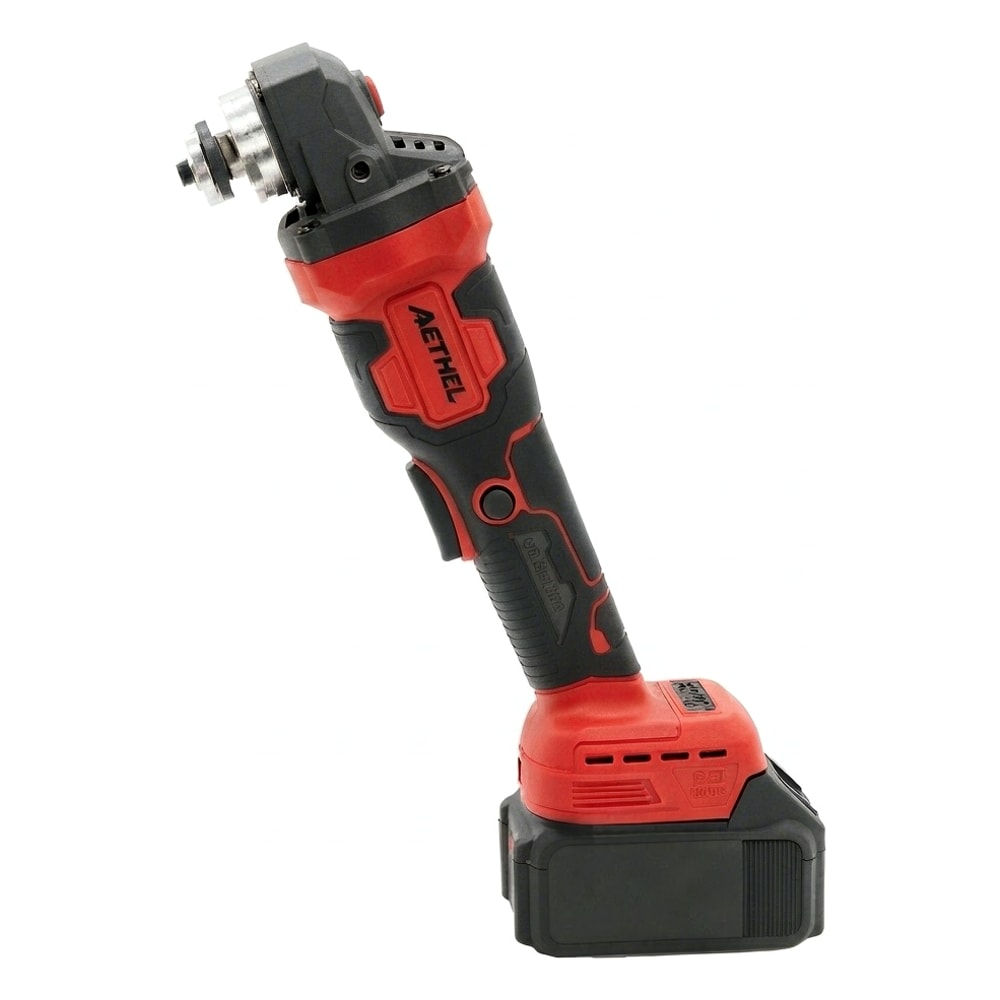
Cordless tools only make sense on a shared battery platform — one battery fits the drill, the grinder, the wrench and the mixer, so the customer buys one battery and many bare tools. This is how Bosch, Makita and Milwaukee build customer loyalty, and it is the right model for private-label brands too. AETHEL's cordless line runs on a common 18 V platform (with 36 V models using two 18 V batteries), so a distributor can offer a whole cordless range without asking customers to stock five different battery types. When you add a cordless tool to your range, check it shares the platform of the tools you already sell.

Runtime, Charging and Total Cost of Ownership

A corded tool runs all day for the price of electricity; a cordless tool runs on the battery in its hand and needs a charged spare plus a charger. That battery cost is the hidden expense: it can exceed the tool itself. For buyers who use a tool continuously all day — grinders on a fabrication line, mixers on a plastering job — corded remains the economical choice. Cordless earns its cost where work is mobile, overhead or intermittent. Help customers choose by duty cycle, not by trend.

Where Each Type Sells Best

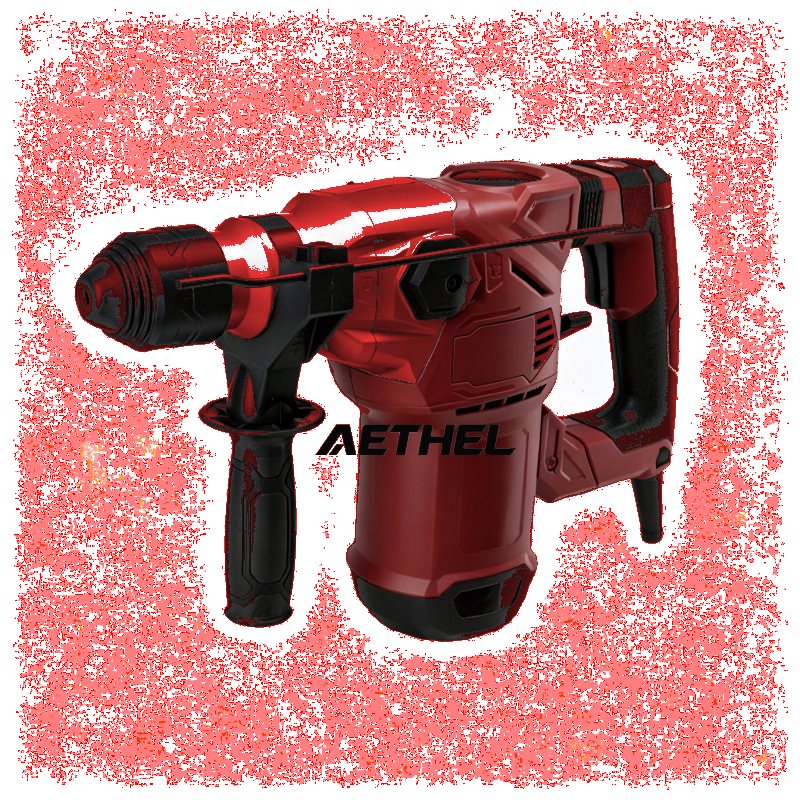
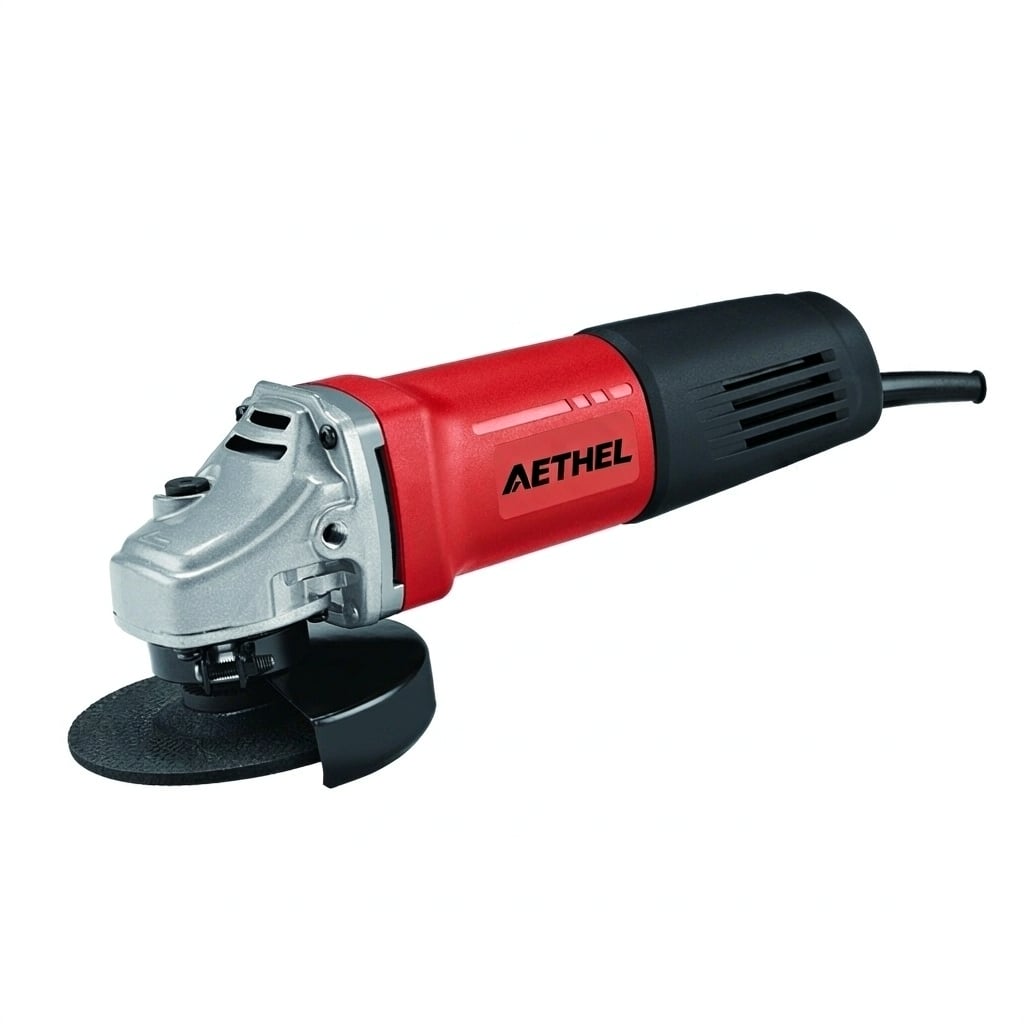
Corded sells best in price-driven and developing markets, in rental fleets and for sustained heavy work: angle grinders, rotary hammers, demolition hammers and concrete mixers are strong corded categories. Cordless sells best in renovation, installation and trade segments, and in markets that already adopt battery platforms: drills, impact wrenches, grinders and hand mixers move well cordless. A balanced distributor range carries corded in the high-power categories and cordless in the portability categories.

Building a Private-Label Range: A Practical Sequence

Start with the corded volume tools your market already buys, because they are lower risk and faster to sell through. Add a cordless platform around one or two hero tools — a drill and a grinder — then extend it with bare tools as the installed base grows. AETHEL supplies both corded and cordless across the same categories, so the colour, branding and quality standard stay consistent across your whole range rather than being pieced together from separate vendors.
Часто задаваемые вопросы

Are cordless tools as powerful as corded?

For most jobs, yes — modern brushless cordless tools rival corded output. For sustained, all-day heavy work (large grinders, mixers, breakers) corded still holds the value and runtime advantage.

What is a battery platform and why does it matter?

A battery platform is one battery shared across many tools. It matters because it cuts the customer's battery cost and locks them into your brand — the same reason big brands do it.

Should a distributor stock cordless or corded tools?

Both. Corded for the price-sensitive volume market and heavy work; cordless for trade, renovation and premium segments. The split follows your customer's duty cycle.

What does '18 V' and '36 V' mean on cordless tools?

18 V is the nominal voltage of the common battery platform; 36 V tools typically use two 18 V batteries in series for higher power. Some markets label 18 V as '20V Max' and 36 V as '40V Max'.

Can I private-label a whole cordless range on one battery?

Yes — AETHEL builds the cordless range on a shared 18 V platform, so your branded drill, grinder and wrench all use the same battery and charger.

Сопутствующие товары

Реальные OEM-кейсы

Смотреть все кейсы →

Другие статьи

2026-08-17

AETHEL Tools — Your One-Stop OEM/ODM Partner for Power Tools & Agricultural Machinery

AETHEL is a professional OEM/ODM solutions provider backed by 500+ top-tier tool and agricultural machinery factories in China. Learn how we help global brands source, customize and ship quality tools — without hunting for factories one by one.

Читать далее →

2026-08-19

How to Choose a Rotary Hammer: SDS-Plus vs SDS-Max, Impact Energy & Power Explained

Rotary hammer, hammer drill or demolition hammer — which do you need? This complete buying guide explains SDS-Plus vs SDS-Max shanks, impact energy, power ratings and the exact specs to compare when sourcing a rotary hammer for concrete drilling.

Читать далее →

2026-09-12

Angle Grinder 115mm vs 125mm: Which Disc Size Should You Buy?

115mm or 125mm angle grinder — which disc size is right for your work? This guide compares cutting depth, power, price and disc availability, with practical advice for contractors, DIY users and B2B buyers sourcing angle grinders in bulk.

Читать далее →

2026-09-12

How to Choose an Electric Impact Wrench: Drive Size, Torque and Bolt Capacity Explained

1/2-inch or 1-inch? 150Nm or 2500Nm? This guide explains how drive size, torque rating and bolt capacity actually relate to each other, which jobs each class of electric impact wrench covers, and what to check before sourcing them in bulk.

Читать далее →

2026-11-12

How to Choose a Power Tools OEM Manufacturer in China (2027 Guide)

The buyer's checklist for vetting a Chinese power tools OEM/ODM factory: certifications, MOQ, lead time, quality control, battery platform and documentation — so you choose a partner, not a gamble.

Читать далее →

2026-11-18

How to Choose a Concrete Mixer: Drum vs Forced Action, Capacity, Power & Drive Explained

Electric, gasoline or diesel; drum or forced action; 80L or 300L — this buyer guide explains the concrete mixer specs that actually decide which machine to stock and sell.

Читать далее →

2026-11-18

How to Choose a Demolition Hammer: Impact Energy, Shank & Weight Explained

Demolition hammer, breaker or jackhammer — this guide explains impact energy, shank systems and weight so you pick the right breaker for concrete breaking work.

Читать далее →

2026-11-18

How to Choose an Electric Planer: Planing Width, Depth & Rabbet Explained

Planing width, cutting depth, rabbet depth and blade system — the four specs that decide which electric planer to stock for woodworking and carpentry buyers.

Читать далее →

2026-11-18

How to Choose a Belt Sander: Belt Size, Power & Dust Collection Explained

Belt size, motor power, belt speed and dust collection — the specs that decide which belt sander to stock for cabinet makers, joiners and fabricators.

Читать далее →

2026-11-18

How to Choose a Wood Router: Collet, Power & Plunge Stroke Explained

Collet size, motor power, plunge stroke and speed range — the specs that decide which electric wood router to stock for cabinet makers and joiners.

Читать далее →

2026-11-18

How to Choose a Hand Mixer (Paddle Mixer): Power, Paddle & Cordless Options

Power, paddle geometry, speed range and cordless vs corded — the specs that decide which paddle mixer to stock for decorators, tilers and plasterers.

Читать далее →

2026-11-18

How to Source Power Tools from China: A B2B Buyer's Complete Guide

Factory vs trading company, MOQ, certification, inspection and shipping — a practical guide for importers and distributors sourcing power tools from China.

Читать далее →
cordless vs corded power toolscorded vs battery toolswhich power tools to stockcordless tool battery platformpower tools for resale

Запросить коммерческое предложение

Опишите, что вам нужно, — наша команда продаж ответит в течение 12 часов.