From a Forge to a Global Tool Group
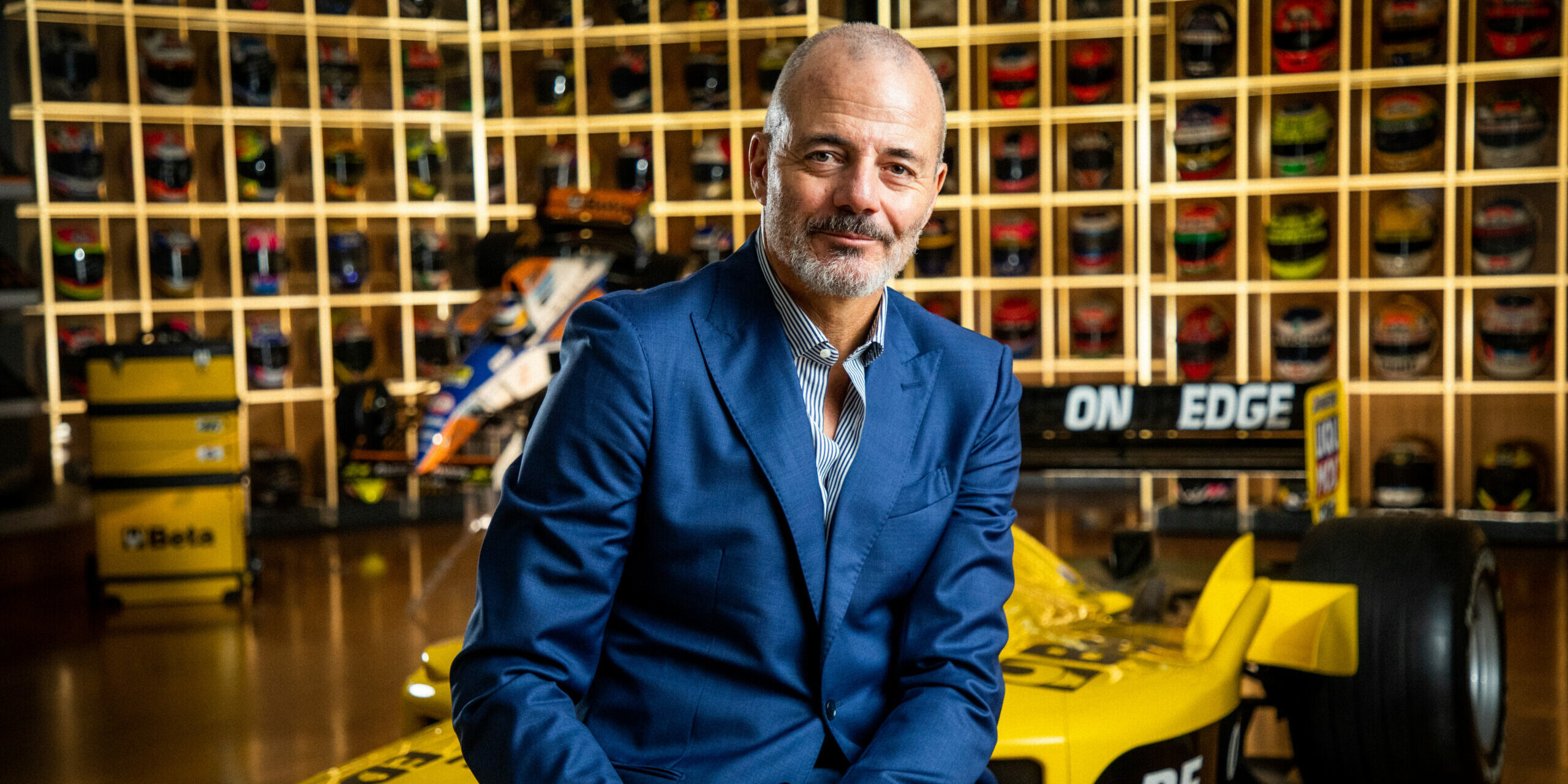
Beta Utensili's story began in 1923, when Alessandro Ciceri founded a forging plant called "Alessandro Ciceri & Figli" in Erba, near Como, specialised in iron and steel moulds. By 1960 the company — now Beta Utensili — employed over 200 people and had started exporting through seven sales representatives. A century later, the Beta Group is one of the world's major professional tool companies: €254 million in turnover, 582 employees, five companies and brands (Beta utensili, Robur 3D, Beta BM Group, Abra Beta, Helvi), and a catalogue of 30,000 items across 40 product families. It remains family-owned — the founder's great-grandson Roberto Ciceri leads the company today.
Made in Italy, With a Foot in China
Beta's positioning is proudly "Made in Italy" — in its own words, "in a country where the tool market was mainly import-based, Beta changed the rules of the game by focusing on Italian design and production." But like every global tool group, Beta also engages the Asian manufacturing ecosystem: the group opened a branch in China and, three years later, one in Brazil, extending its markets beyond Europe. The Chinese entity — Beta-tools China (Shanghai) — handles sourcing, product supply and local distribution, showing how even a "Made in Italy" brand integrates Chinese OEM capacity into its global network.
What Beta Proves About OEM/ODM
Beta's century shows a nuanced version of the sourcing story: • Brand + manufacturing blend — Italian design and production where it matters, Asian supply where it adds value. • Multi-brand strategy — five brands serve different segments, a common pattern in the industry. • Global reach — branches in China and Brazil extend a regional heritage brand worldwide. • Family continuity — a 100-year-old family business still growing. For an importer, Beta demonstrates that a brand can be proudly local while leveraging global sourcing — the combination that wins both premium and volume segments.
The Takeaway for Your Market
Whether you position your brand as premium "designed locally" or value "factory-direct", the sourcing model is the same: define the range, set quality standards, and work with vetted factories. AETHEL works with 500+ partner factories across power tools, hand tools and garden tools — send us your requirements and we will reply within 12 hours with product options and a project plan.