AETHEL

2026-11-18

How to Choose a Concrete Mixer: Drum vs Forced Action, Capacity, Power & Drive Explained

Electric, gasoline or diesel; drum or forced action; 80L or 300L — this buyer guide explains the concrete mixer specs that actually decide which machine to stock and sell.

Drum Mixer vs Forced Action Mixer: The First Decision

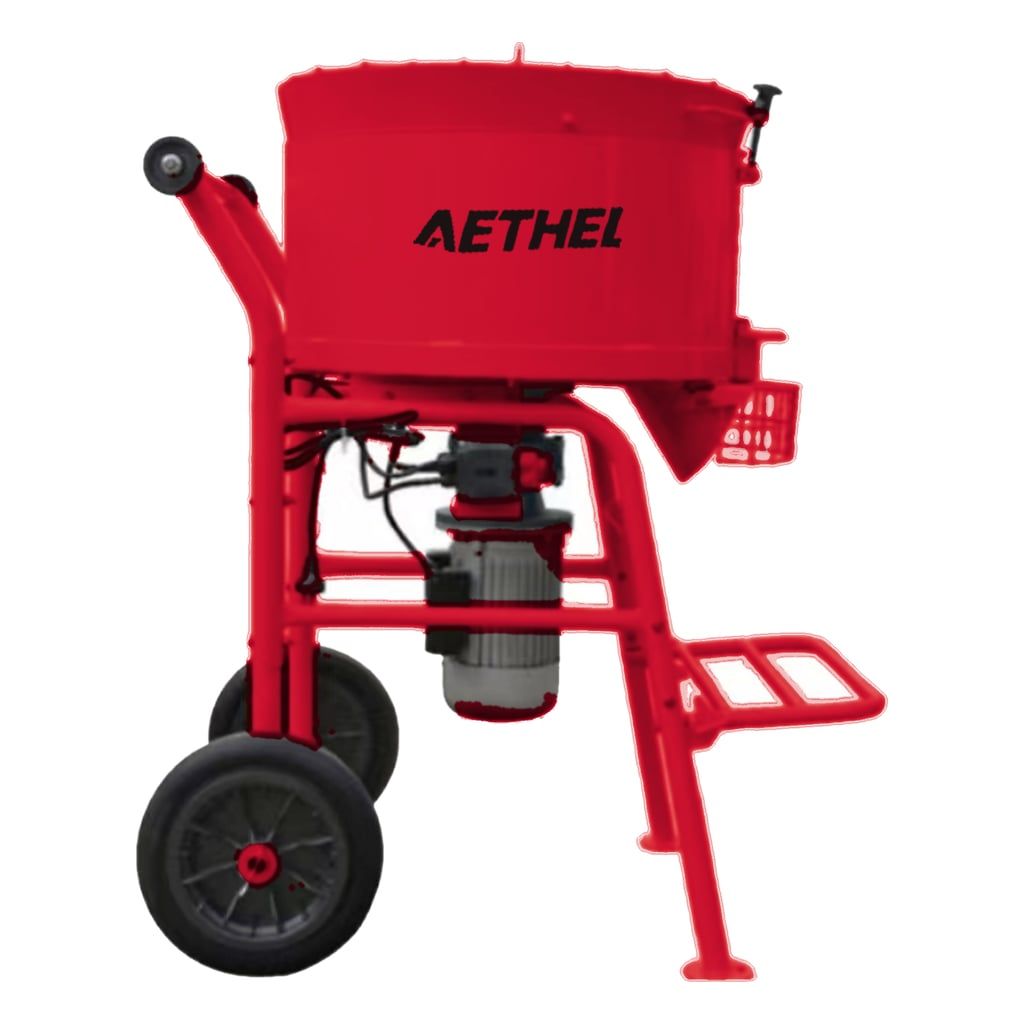
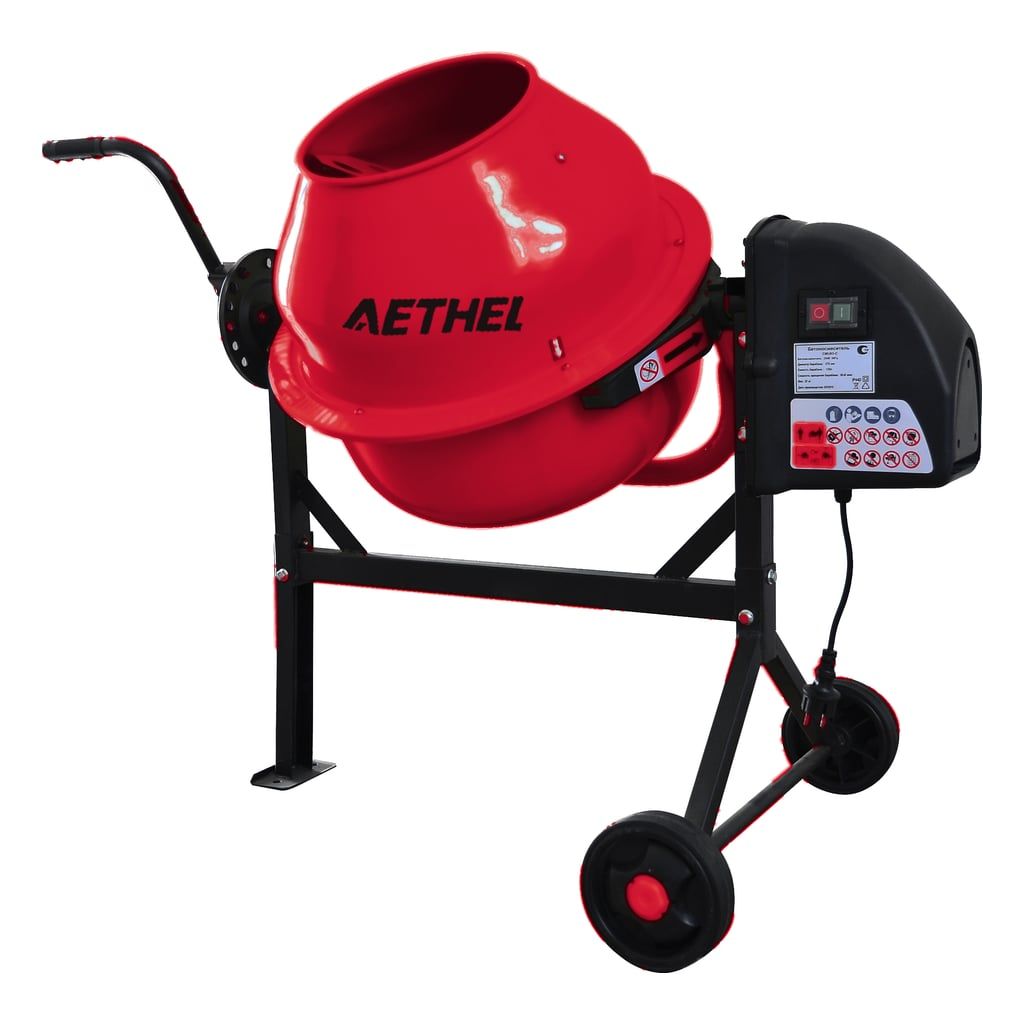
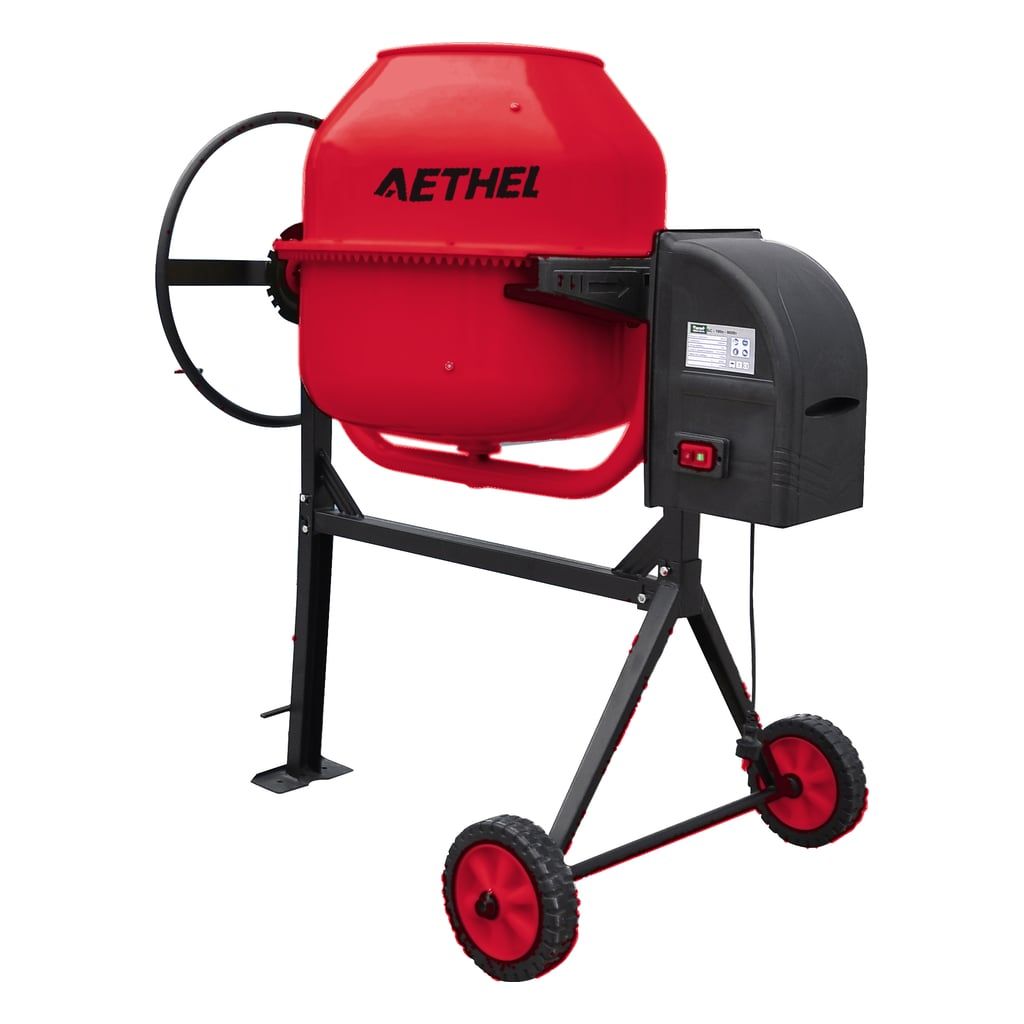
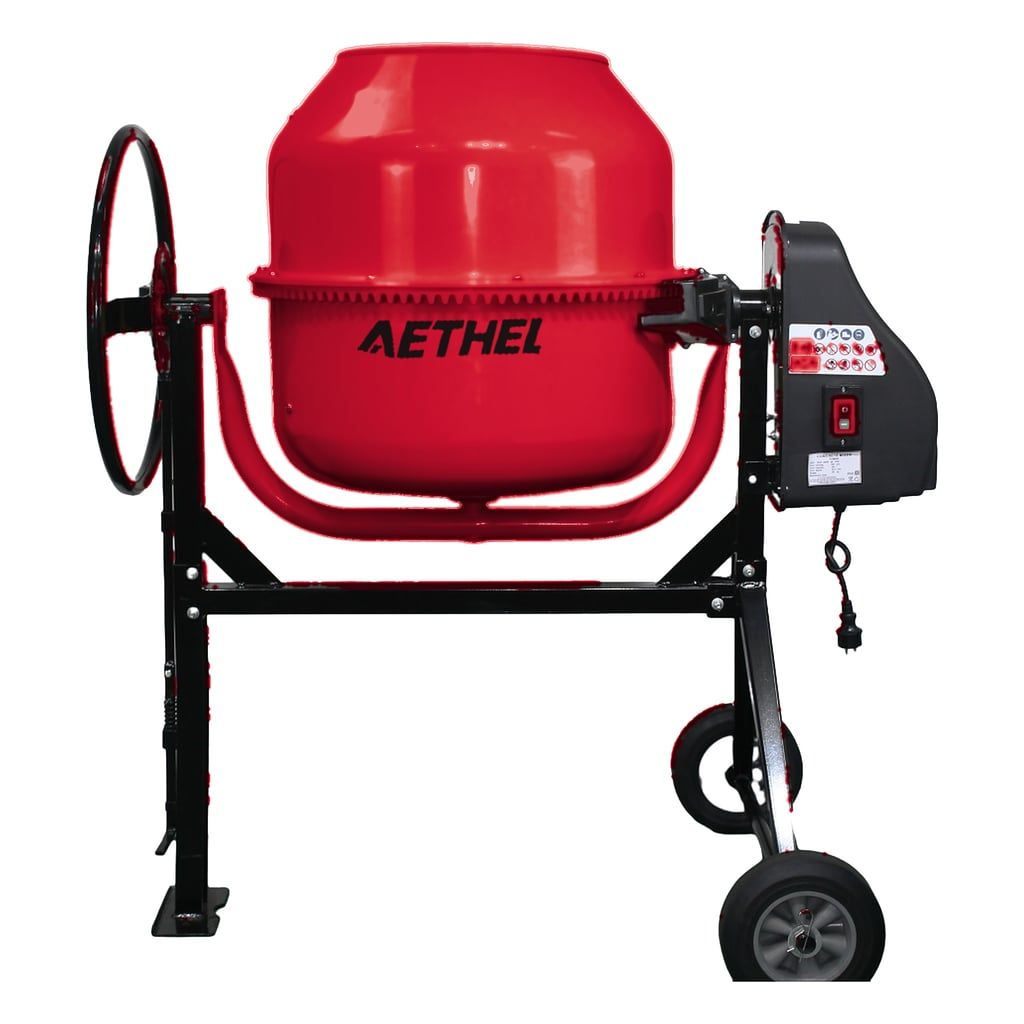
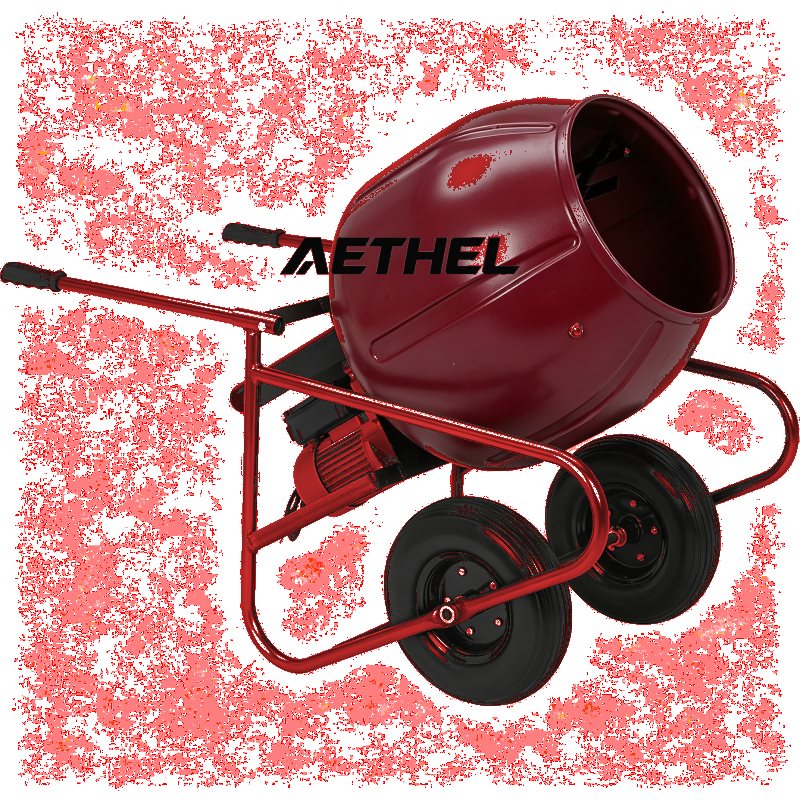
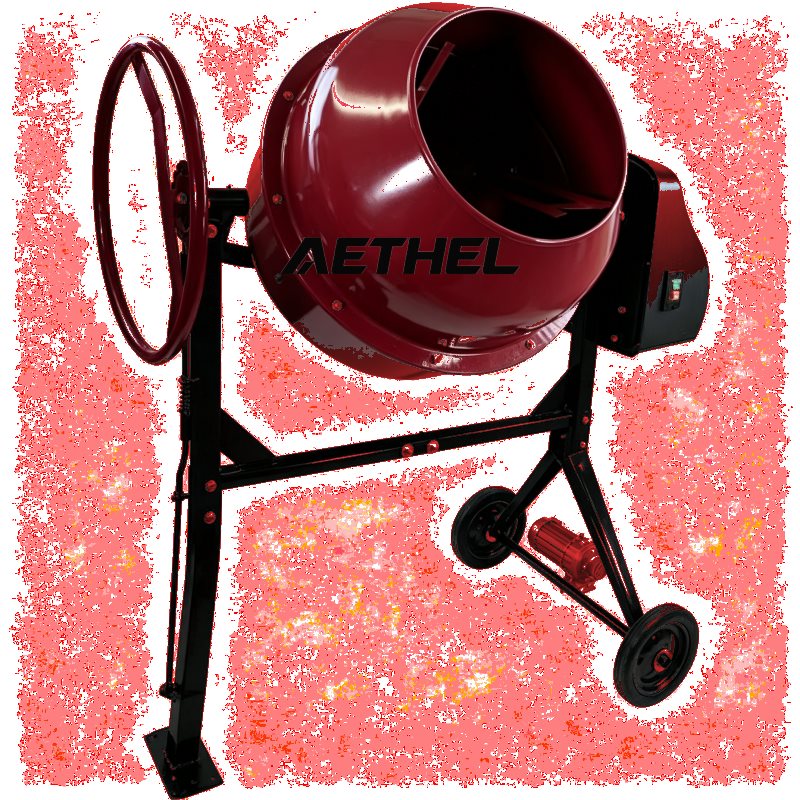
Concrete mixers split into two families. A drum mixer (also called a tilting-drum or barrel mixer) rotates a drum with internal blades to tumble the mix — it is the classic wheelbarrow-style machine most builders know, and it dominates volume sales. A forced action mixer (pan mixer) keeps the drum stationary while paddles rotate inside, producing a more uniform mix faster, which is why it is preferred for precast, mortar and coloured concrete. Decide which family your market buys: general construction sites buy drum mixers, while precast yards and mortar/grout specialists buy forced action. AETHEL supplies both — the AL-CM drum range and the DCM forced-action range.

Drum Capacity: Match It to the Job, Not the Price List

Capacity in litres is the number buyers read first, but it must follow the job. Compact 63–80 L machines (like the HCM225 and HCM280 mini mixers) suit small repairs, DIY and tight sites. The 120–160 L band is the workhorse for general building, masonry and landscaping. 180–250 L machines handle larger pours and continuous site mixing, and 300 L forced-action machines serve precast and production work. A common buyer mistake is upsizing to look impressive — a machine that cannot be filled practically wastes capacity and costs more to ship. Recommend the capacity that matches the batch size your customer actually pours.

Power Source: Electric, Gasoline or Diesel

Electric mixers (375 W up to 3,000 W in our range) are the value choice: cheaper, quieter and easy to maintain, but they need a mains supply. Gasoline mixers (5.5 hp in the AL-CM-004) suit sites without reliable power and are popular in developing and rural markets. Diesel suits the largest continuous-duty machines. The decision is usually driven by the destination market's power infrastructure — a distributor serving regions with unstable electricity should carry the gasoline line alongside electric models.

Drive, Frame and Mobility: What Affects the Price

Belt-drive transmission (the PCM and HCM belt series) is robust and easy to service, which matters where spare parts are scarce. Tripod frames (ECM/FCM) are lighter and cheaper to ship; wheeled and towable frames suit sites that move the machine around. Loading quantity per container is a real commercial lever: a compact 63 L machine packs 240 units in a 20GP while a 300 L forced-action mixer fits 30 — freight cost per unit changes dramatically, so weigh machine price against shipping cost for your market.

What to Check Before You Buy

Five checks protect the order: (1) drum thickness and the quality of the internal blades, which decide service life; (2) motor/engine brand and wattage, matched to the capacity; (3) frame and wheel welding, because a bent frame arrives broken; (4) the gearbox or belt drive and spare-part availability; (5) voltage/plug standard for your market, and the loading quantity for your freight plan. Confirm the machine ships assembled or flat-packed, since that changes both freight and on-site setup.
Frequently Asked Questions

What size concrete mixer do I need?

Match capacity to batch size: 63–80 L for small repairs and DIY, 120–160 L for general building, 180–250 L for larger pours, and 300 L forced-action for precast and production work.

What is the difference between a drum mixer and a forced action mixer?

A drum mixer rotates the drum to tumble the mix; a forced action (pan) mixer keeps the drum still and rotates internal paddles, giving a faster, more uniform mix preferred for precast and mortar.

Electric or gasoline concrete mixer — which is better?

Electric is cheaper and quieter but needs mains power; gasoline suits off-grid and rural sites. Distributors in regions with unstable electricity usually carry both.

How many concrete mixers fit in a container?

It varies with size: a 63 L mini mixer packs about 240 per 20GP, while a 300 L forced-action mixer fits about 30 per 20GP — freight cost per unit changes significantly.

Can I private-label the concrete mixers?

Yes — AETHEL supplies them painted in your brand colour (standard Pantone 186C red) with your logo, rating label and manual, under OEM/ODM terms with MOQ 500 pcs per model.

Related Products

Real-World OEM Case Studies

View All Case Studies →

More Articles

2026-08-17

AETHEL Tools — Your One-Stop OEM/ODM Partner for Power Tools & Agricultural Machinery

AETHEL is a professional OEM/ODM solutions provider backed by 500+ top-tier tool and agricultural machinery factories in China. Learn how we help global brands source, customize and ship quality tools — without hunting for factories one by one.

Read More →

2026-08-19

How to Choose a Rotary Hammer: SDS-Plus vs SDS-Max, Impact Energy & Power Explained

Rotary hammer, hammer drill or demolition hammer — which do you need? This complete buying guide explains SDS-Plus vs SDS-Max shanks, impact energy, power ratings and the exact specs to compare when sourcing a rotary hammer for concrete drilling.

Read More →

2026-09-12

Angle Grinder 115mm vs 125mm: Which Disc Size Should You Buy?

115mm or 125mm angle grinder — which disc size is right for your work? This guide compares cutting depth, power, price and disc availability, with practical advice for contractors, DIY users and B2B buyers sourcing angle grinders in bulk.

Read More →

2026-09-12

How to Choose an Electric Impact Wrench: Drive Size, Torque and Bolt Capacity Explained

1/2-inch or 1-inch? 150Nm or 2500Nm? This guide explains how drive size, torque rating and bolt capacity actually relate to each other, which jobs each class of electric impact wrench covers, and what to check before sourcing them in bulk.

Read More →

2026-11-12

How to Choose a Power Tools OEM Manufacturer in China (2027 Guide)

The buyer's checklist for vetting a Chinese power tools OEM/ODM factory: certifications, MOQ, lead time, quality control, battery platform and documentation — so you choose a partner, not a gamble.

Read More →

2026-11-18

Cordless vs Corded Power Tools: Which Should a Distributor Stock?

Battery convenience or corded value? This guide weighs cost, runtime, resale and market segment so distributors can build the right cordless-plus-corded range instead of guessing.

Read More →

2026-11-18

How to Choose a Demolition Hammer: Impact Energy, Shank & Weight Explained

Demolition hammer, breaker or jackhammer — this guide explains impact energy, shank systems and weight so you pick the right breaker for concrete breaking work.

Read More →

2026-11-18

How to Choose an Electric Planer: Planing Width, Depth & Rabbet Explained

Planing width, cutting depth, rabbet depth and blade system — the four specs that decide which electric planer to stock for woodworking and carpentry buyers.

Read More →

2026-11-18

How to Choose a Belt Sander: Belt Size, Power & Dust Collection Explained

Belt size, motor power, belt speed and dust collection — the specs that decide which belt sander to stock for cabinet makers, joiners and fabricators.

Read More →

2026-11-18

How to Choose a Wood Router: Collet, Power & Plunge Stroke Explained

Collet size, motor power, plunge stroke and speed range — the specs that decide which electric wood router to stock for cabinet makers and joiners.

Read More →

2026-11-18

How to Choose a Hand Mixer (Paddle Mixer): Power, Paddle & Cordless Options

Power, paddle geometry, speed range and cordless vs corded — the specs that decide which paddle mixer to stock for decorators, tilers and plasterers.

Read More →

2026-11-18

How to Source Power Tools from China: A B2B Buyer's Complete Guide

Factory vs trading company, MOQ, certification, inspection and shipping — a practical guide for importers and distributors sourcing power tools from China.

Read More →
how to choose a concrete mixerconcrete mixer buyer guidecement mixer typesforced action mixer vs drum mixerelectric vs gasoline concrete mixer

Request a Quote

Tell us what you need — our sales team replies within 12 hours.