Belt Size: The First Specification
Belt size decides both the width of stock the tool can face and the price point. 76 × 533 mm is the standard all-rounder for furniture, joinery and general woodworking — the volume seller. 100 × 610 mm suits wider surfaces and heavier removal, favoured by cabinet shops and metal fabricators. Recommend the belt size against the width of the work your customers actually face, because a belt that is too narrow makes slow, uneven progress on wide panels.
Power and Belt Speed
Rated power in our AL-BS range runs 800 W to 1,200 W, with belt speed from 120 m/min up to 500 m/min. Higher wattage holds the belt under load, and higher belt speed removes stock faster but demands more control. For a distributor, the mid-range 900 W machines cover most woodworking demand, while 1,200 W suits production and heavier work. Confirm the belt-tracking adjustment and a quick-release lever — these are the features users feel every belt change.
Dust Collection: A Bag, a Port, or Both
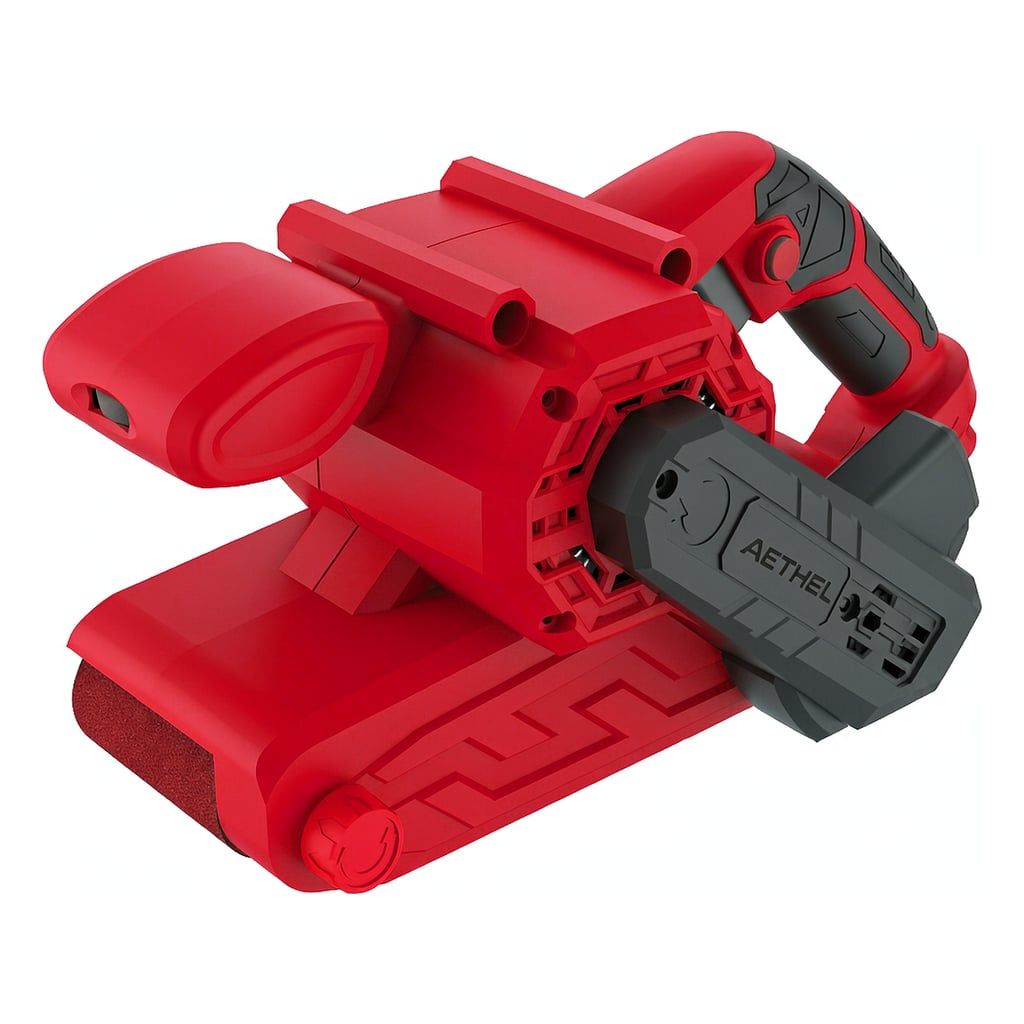
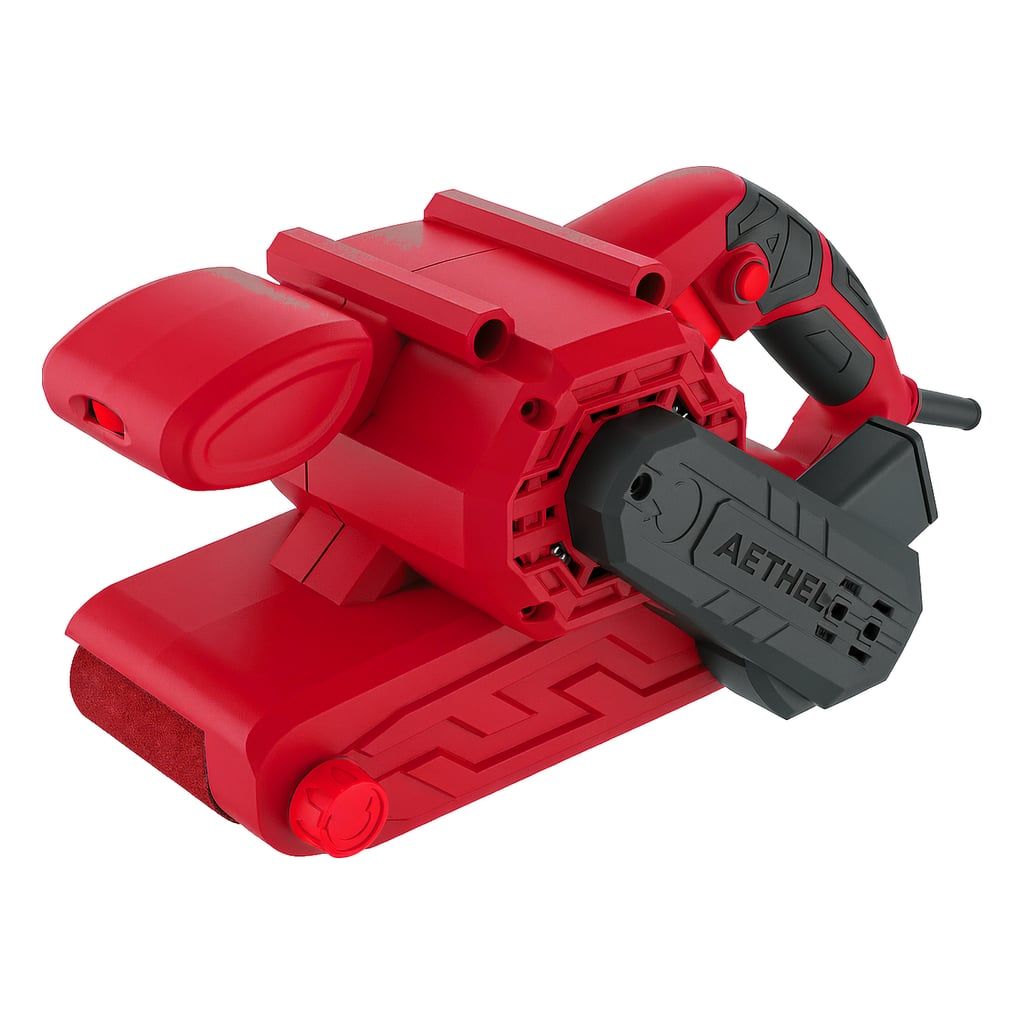
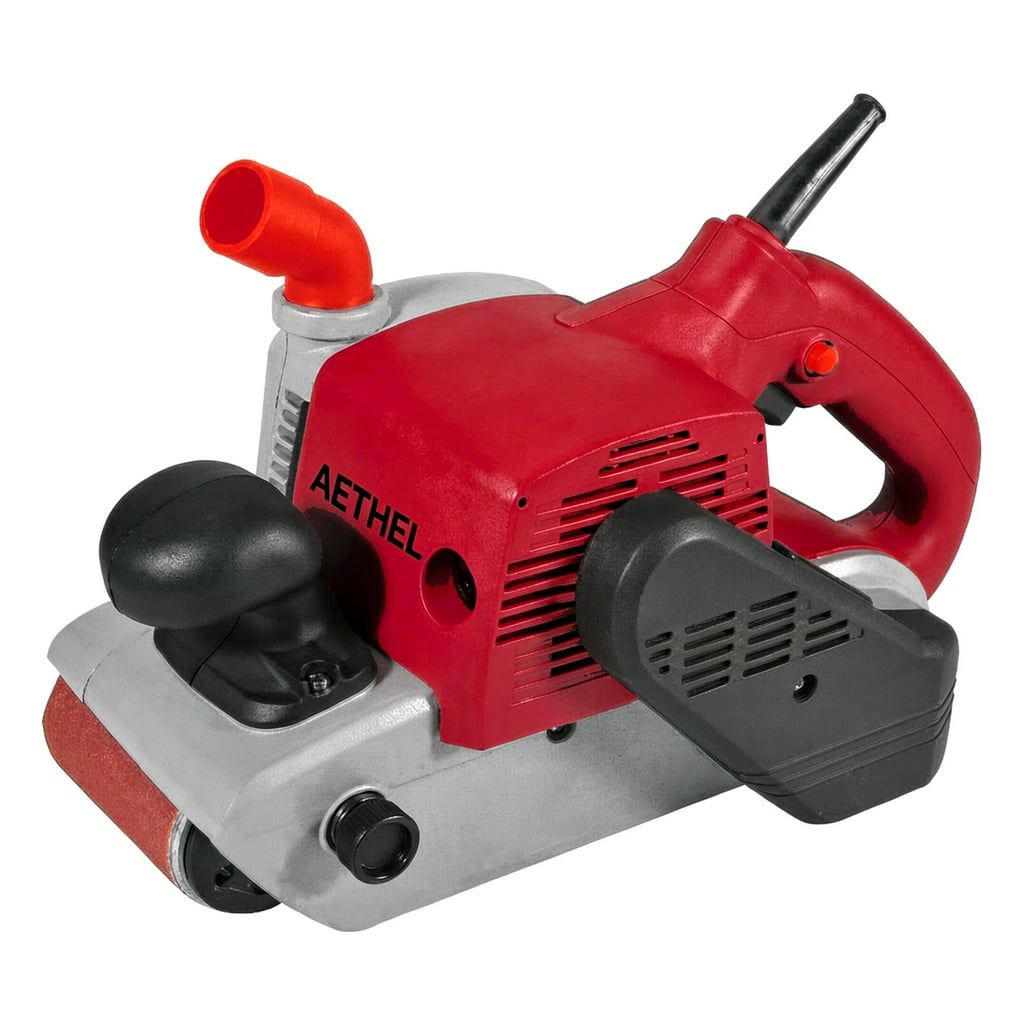
Dust collection is a genuine buying trigger for belt sanders, because they produce a lot of it. Models ship with a dust bag, a dust-extraction port, or both — a bag suits standalone use, while a port connects to a shop vacuum or extractor for cleaner, safer work. The AL-BS-001 offers a dust bag with a flip-over body, and the AL-BS-005 adds a 360° rotating bag. Confirm what your market expects, because a sander without proper dust collection gets returned in dust-sensitive workshops.
Belt Sander vs Orbital Sander
These are different tools for different jobs. A belt sander removes stock fast and is for flat surfacing, levelling and heavy material removal; an orbital or random-orbital sander is for fine finishing with less risk of gouging. Cabinet makers and fabricators buy belt sanders for the rough-to-medium work and orbitals for finishing — so a woodworking distributor often carries both. Stock belt sanders where the work is about removing material, not polishing.
What to Check Before You Buy
Fix belt size first, then motor power and belt speed. Confirm belt tracking, the quick-release mechanism and the dust-collection arrangement, then voltage and plug standard, cable length and packing. Sanding belts are a consumable your customers rebuy, so build the first belts into the carton and use them as an attachment point for your own branded consumable range later.