The Material Decides the Tool
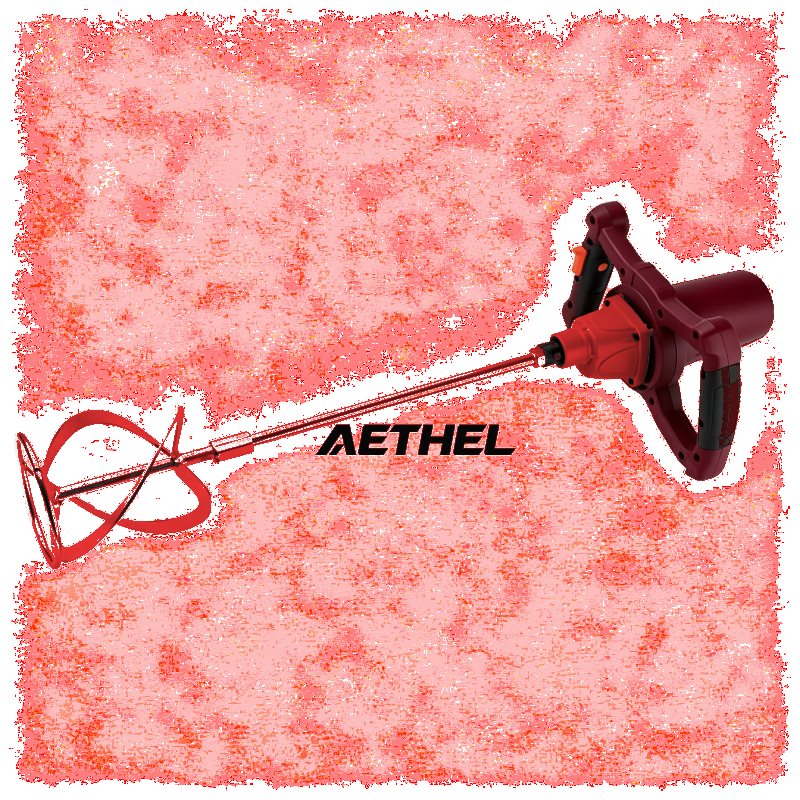
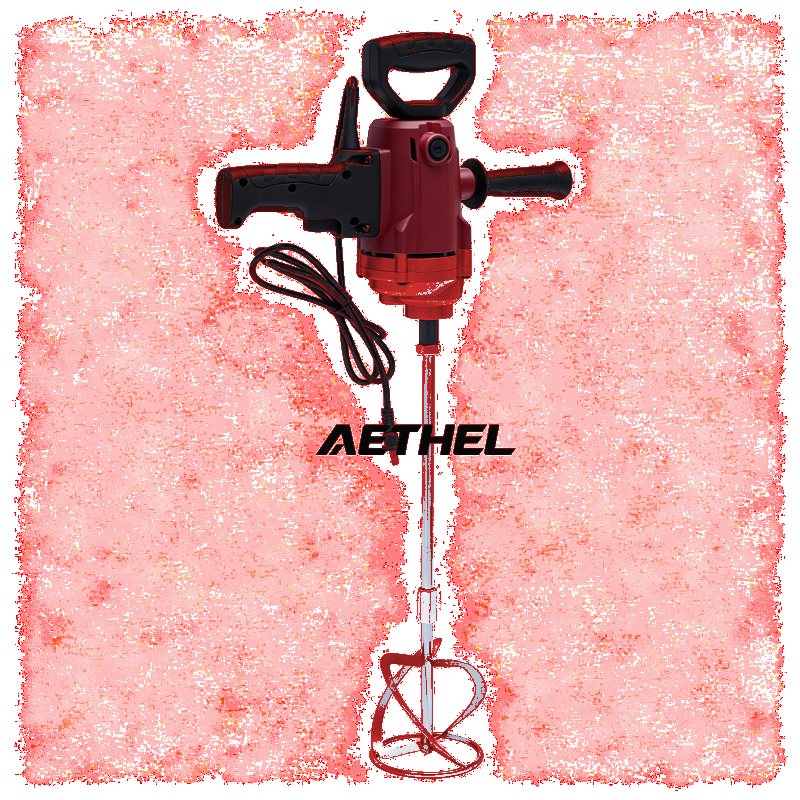
A hand mixer (paddle mixer) stirs everything from paint and resin to tile adhesive, mortar, plaster and screed — and the material decides the machine. Paint and resin need light torque; tile adhesive and mortar need a heavier helix paddle and a motor that holds torque when the mix thickens. Recommend the mixer against the material the customer mixes most, because a mixer that handles paint comfortably can stall on screed.
Power and Speed Range
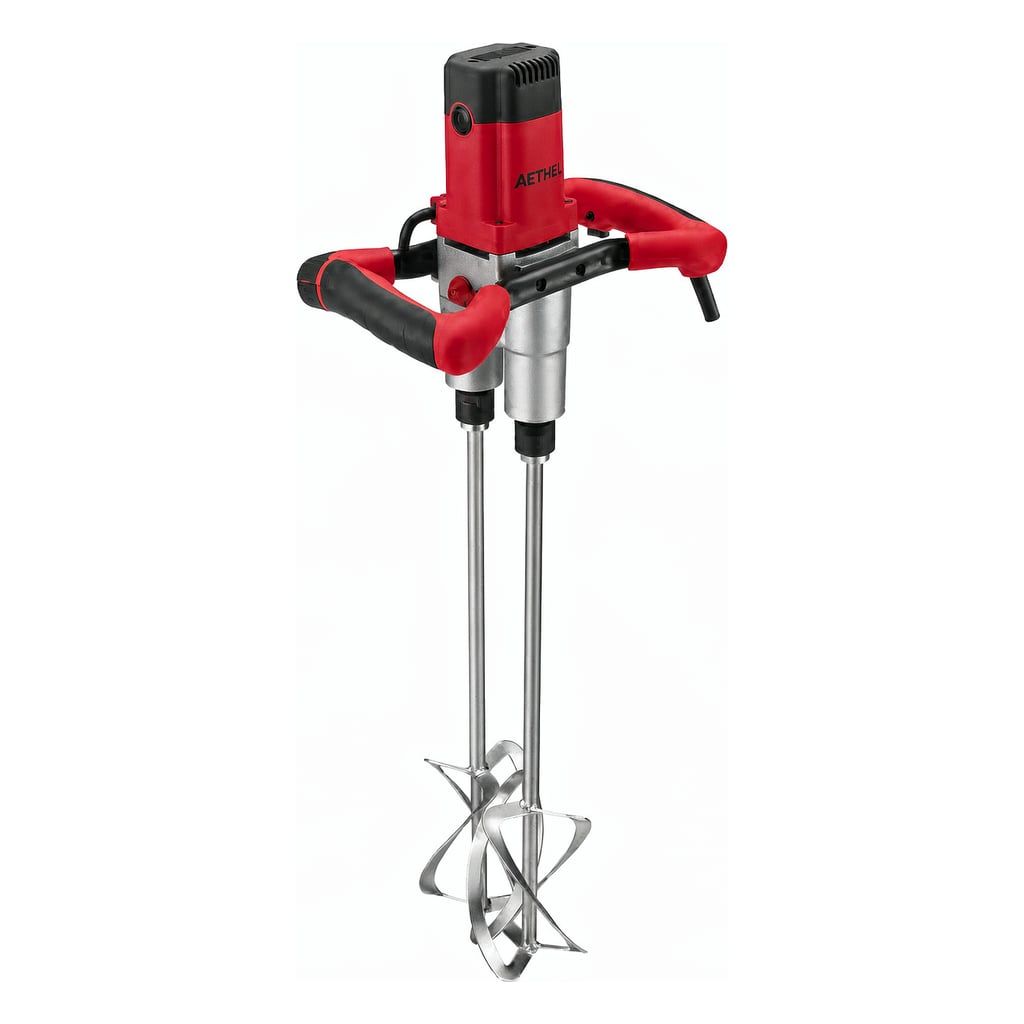
Our corded range runs 950 W economy models up to 1,800 W, with single-speed and two-speed (variable) options. Variable speed matters for decorators and tilers, who use both ends of the range in one job. The 950–1,200 W economy models suit paint and light materials; 1,400–1,800 W models handle mortar and screed. Dual-paddle models (the AL-HM-007/008) mix faster and more evenly — a genuine upgrade for production work.
Paddle and Connection System
The paddle geometry and the connection matter as much as the motor. Common paddles are the K3 and KK helix for adhesive and mortar, and P1 for lighter materials. Connections include M14 thread (standard), M16 (heavy-duty) and M27 or quick-change (professional). Confirm the chuck or thread system and the paddle that ships with it, and whether a second paddle or carry case belongs in the box.
Cordless Hand Mixers: When Battery Wins
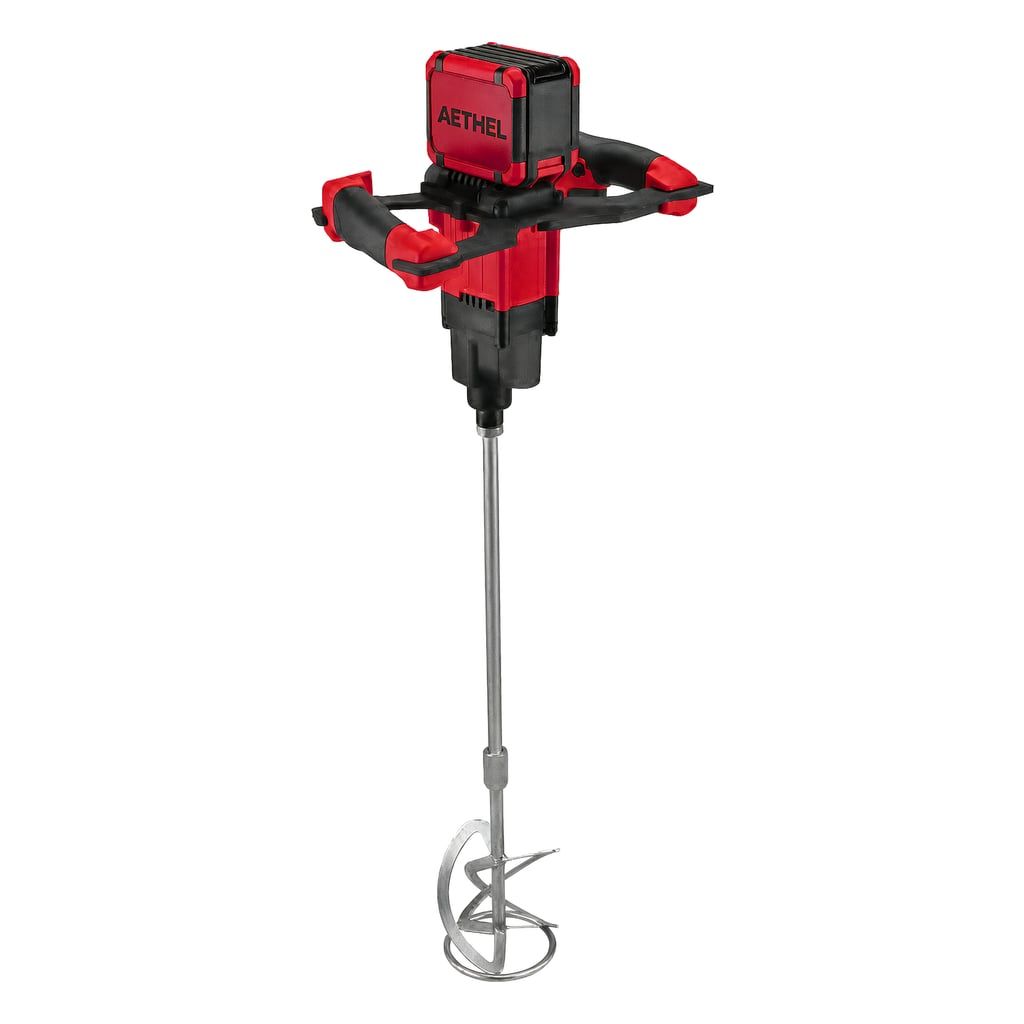
Cordless paddle mixers have come of age. The AL-CHM range runs 18 V and 36 V (dual 18 V batteries) with up to 0–710 rpm — enough for mortar and screed, with the freedom to work without a cable on scaffolding or across a site. Cordless suits decorators and tilers who move constantly; corded remains the value choice for sustained mixing. As with all cordless, the battery platform is the decision: confirm it shares batteries with the rest of your range.
What to Check Before You Buy
Start with the material, then motor power and speed range. Confirm the paddle geometry and connection system, the handle and switch arrangement for one-handed use, and whether the tool must be variable speed. Then voltage and plug standard (or battery platform), cable length and packing. Build the paddle and case into the unit rather than shipping them loose.