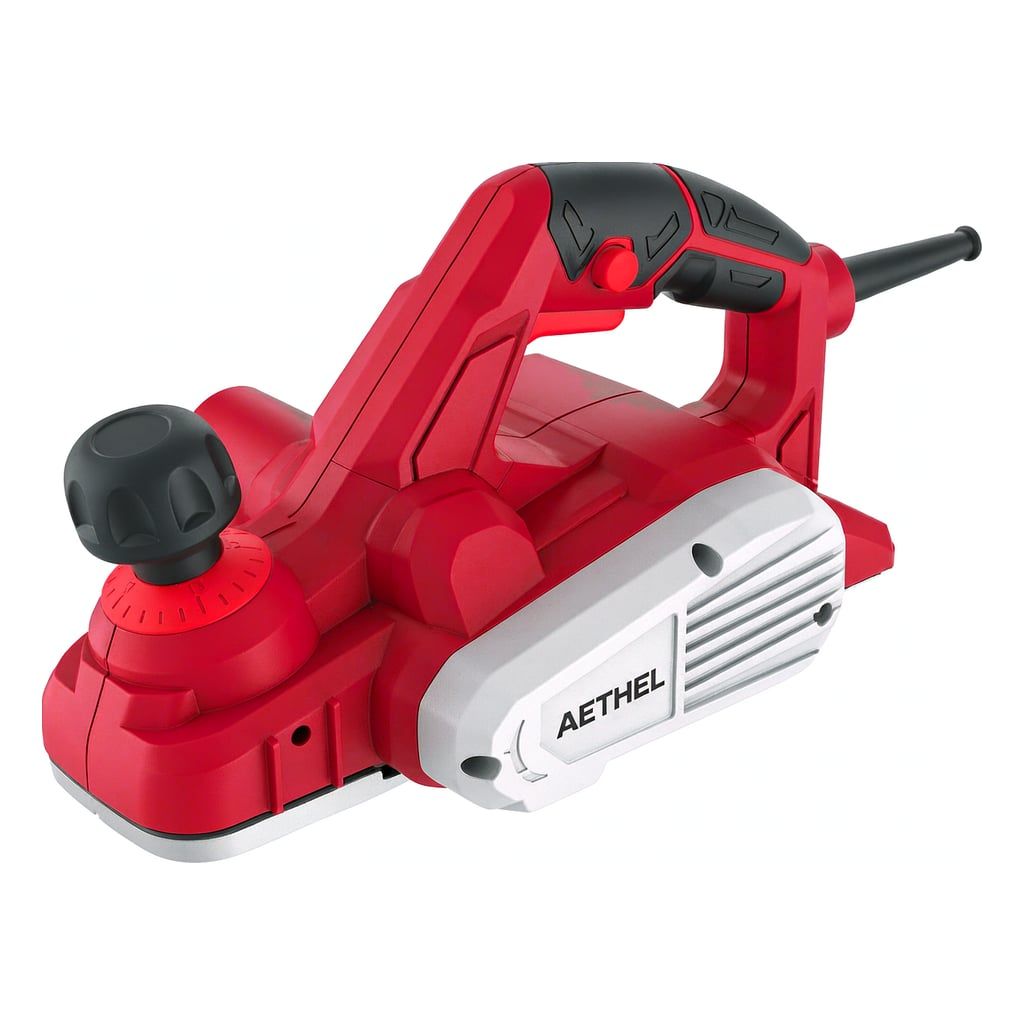
Planing Width: The First Specification
Planing width decides which jobs the tool can take. 82 mm planers are the standard all-rounder for door trimming, frame fitting and general timber work — the volume seller. 90 mm adds capacity for wider stock, and 110 mm planers take on the widest boards and are favoured by joiners and carpenters. Recommend the width against the timber your customers actually work: doors and frames suit 82 mm, while wider boards and faster stock removal justify 90–110 mm.
Planing Depth and Rabbet Depth: Two Different Numbers
Planing depth is how much material the tool removes in a pass (typically 0–3 mm), and it sets the finishing control. Rabbet depth (also called rebate depth) is how deep the tool can cut a step or groove along an edge — the feature that lets a planer cut rebates for door frames and casings. Buyers who do doors care about rabbet depth as much as width, so compare both. Our AL-EP range spans 0–1 mm to 0–3 mm planing depth with rabbet depths up to 14 mm.
Power, Speed and the Blade System
Rated power runs from 560 W to 1,250 W in our range, with no-load speed around 12,000–19,000 rpm. Higher wattage holds speed through a long pass; variable or two-speed models give finer control on hard timber. The blade system is the hidden spec: confirm whether the market wants reversible tungsten blades, resharpenable HSS blades or a disposable-blade system, and whether a spare set ships in the box. The blade decision affects the running cost your customer feels every resharpening.
Chip Ejection and Ergonomics
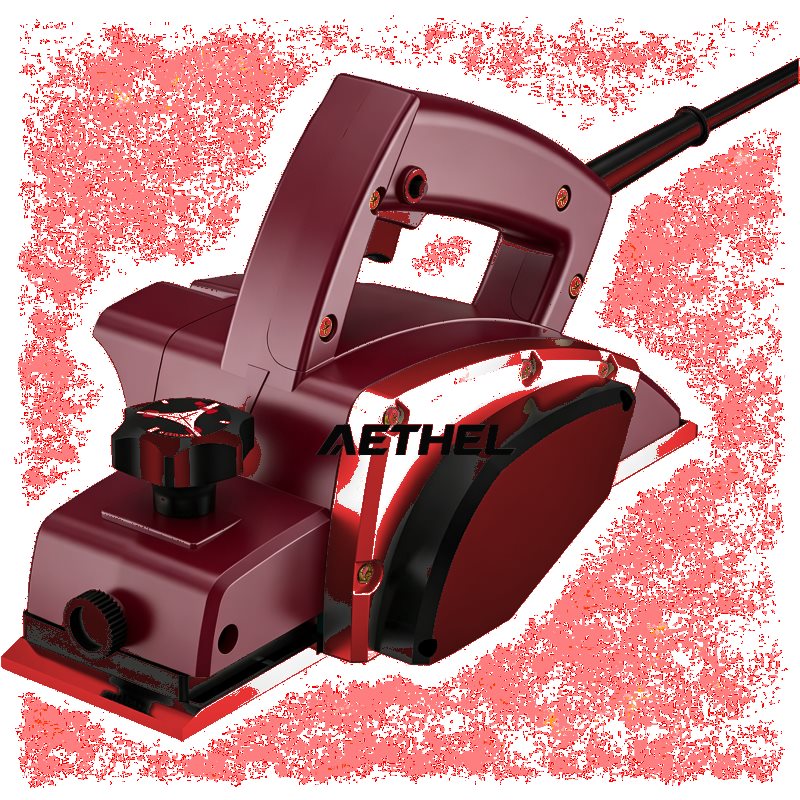
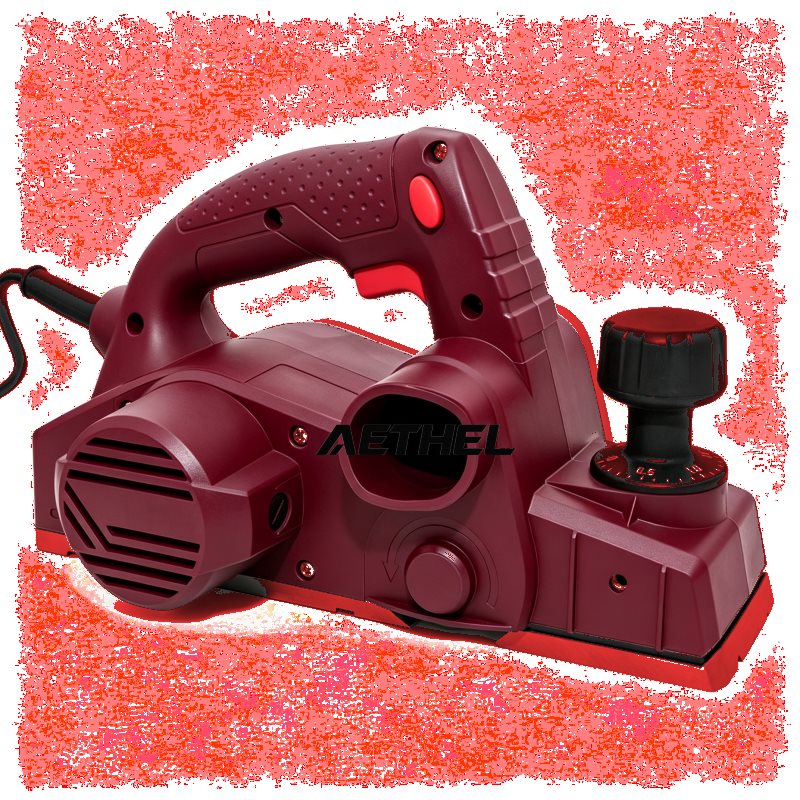
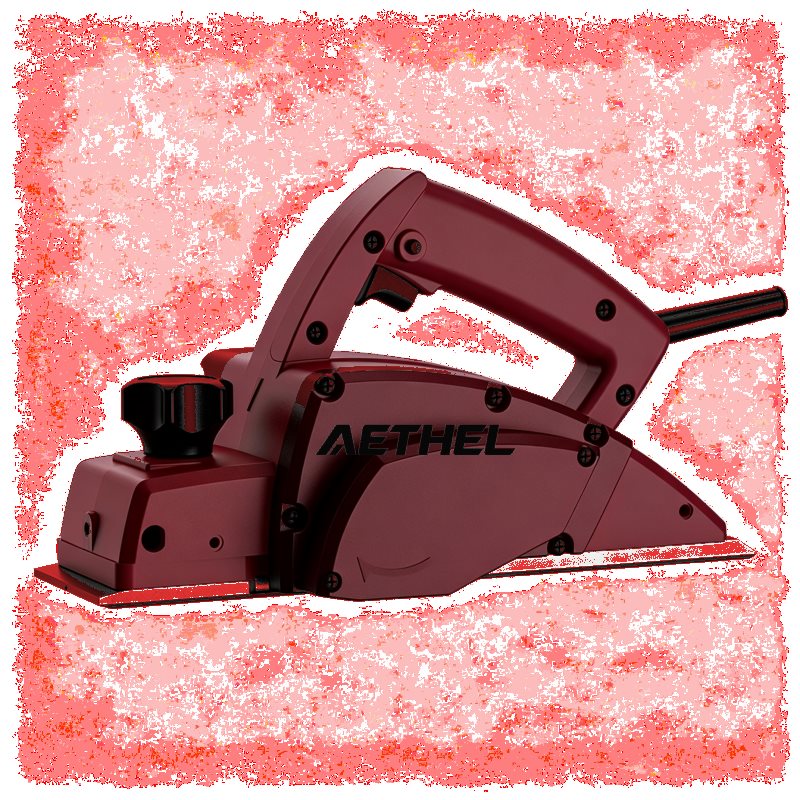
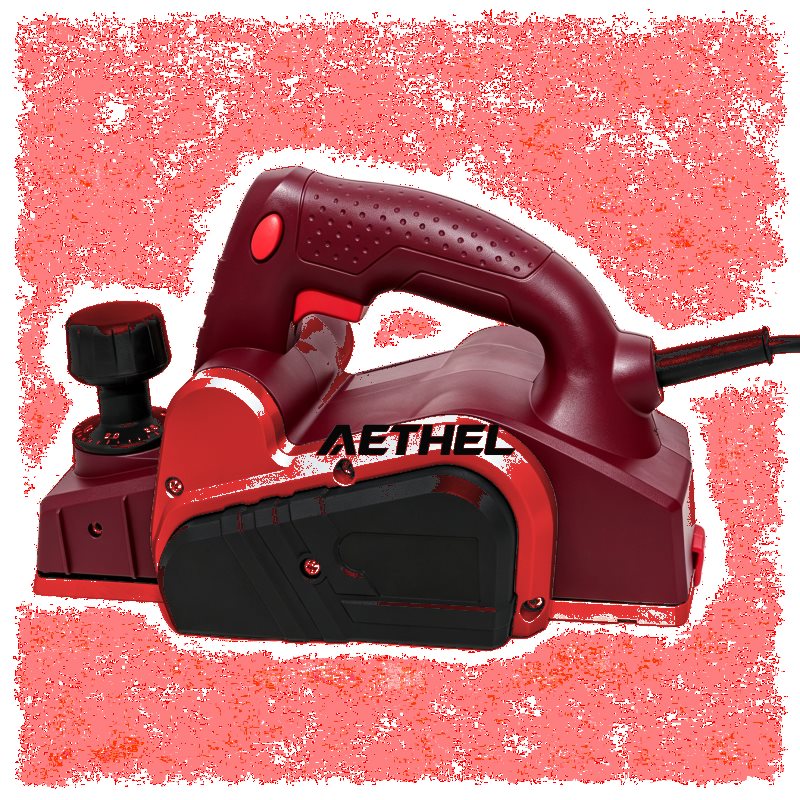
Chip ejection direction matters in practice — a model with dual-side ejection keeps chips out of the user's face and is a genuine selling point (the AL-EP-005 offers it). Look for an aluminium base plate for accuracy and a comfortable front handle and depth knob. Weight around 10–14 kg is normal for corded planers; lighter models reduce fatigue on overhead or long runs.
What to Check Before You Buy
Fix planing width first, then maximum depth of cut and rabbet depth. Confirm the blade system and accessory list (edge guide, spare blades, case), the dust/chip ejection arrangement, then voltage and plug standard and cable length. Planers sell better as a complete kit than as a bare tool, so build the guide and spare blades into the carton at the factory.