AETHEL

2026-11-18

How to Choose a Demolition Hammer: Impact Energy, Shank & Weight Explained

Demolition hammer, breaker or jackhammer — this guide explains impact energy, shank systems and weight so you pick the right breaker for concrete breaking work.

Demolition Hammer vs Rotary Hammer: Don't Confuse Them

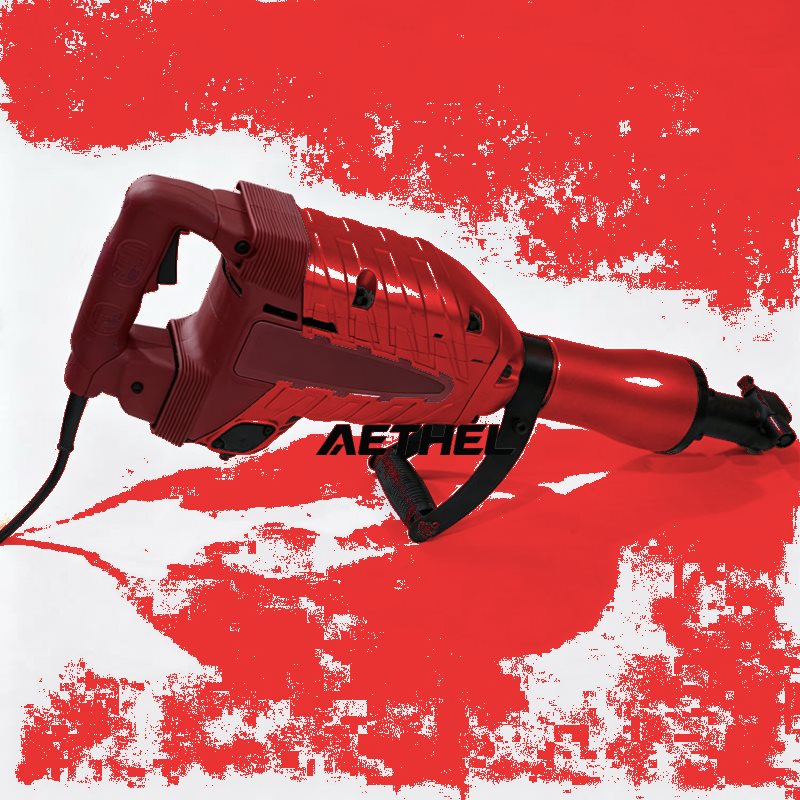
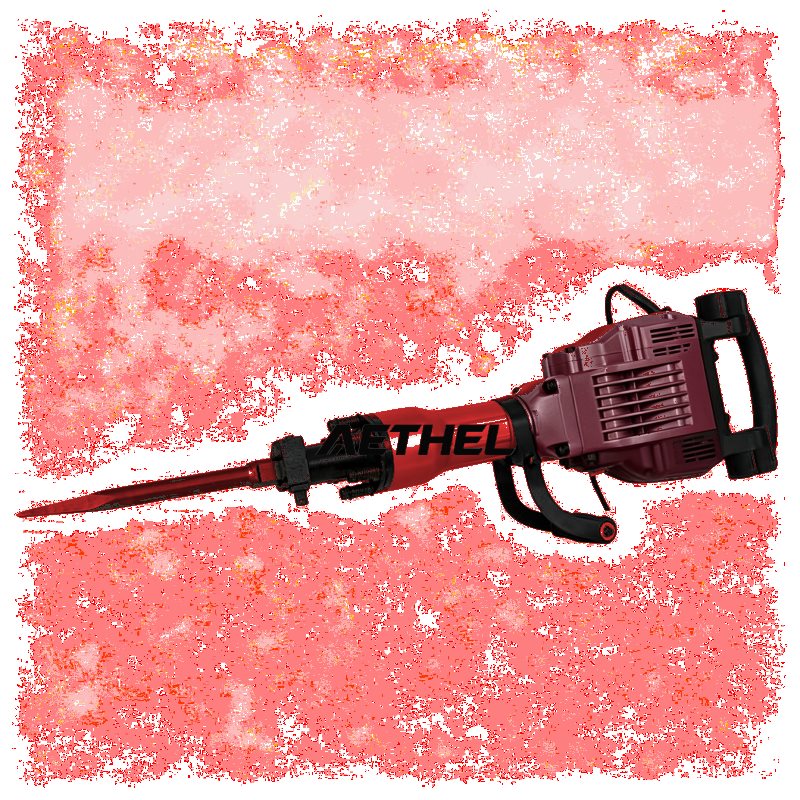
A rotary hammer drills holes in concrete; a demolition hammer only breaks — no rotation, maximum impact, built for floors, walls and foundations. If your customer drills, they need a rotary hammer; if they break, they need a demolition hammer (breaker). Many distributors carry both because contractors buy both for the same job site. AETHEL supplies both families from the same factories, so the concrete-work range can be sourced as one programme.

Impact Energy: The Number That Defines a Breaker

Impact energy in Joules (J) is the true power rating of a demolition hammer — how hard each blow strikes. Light breakers (5–10 J) suit tile removal and light chasing; mid-range (10–20 J) handles concrete floors, walls and trenching; heavy breakers (20 J and above) take on thick reinforced concrete, foundations and road work. Match the Joules to the material and slab thickness — a breaker that is too light makes slow work, one that is too heavy is exhausting and costly to ship.

Shank System: The Compatibility Decision

The shank is the connection between the tool and the chisel, and it must match the accessories your market already uses. Common systems are SDS-Max (light-to-mid breakers), hex shank (hex 17 / 28 / 30 mm, common on heavier breakers), and spline (US market). Before committing, confirm which shank your customers standardise on — a breaker that cannot take the chisels already in the market is hard to sell. AETHEL can supply SDS-Max and hex-shank models to match the destination market.

Weight, Power and Ergonomics

Weight cuts both ways: a heavier breaker hits harder and absorbs vibration better, but it tires the operator and costs more to ship. Corded demolition hammers run from around 1,100 W upward; higher wattage supports sustained breaking without overheating. Vibration control and an adjustable auxiliary handle matter for all-day use, and a soft-start feature protects both the operator and the motor. Compare net weight and rated power together — they define the machine's class.

What to Check Before You Buy

Five checks: (1) impact energy matched to the material; (2) shank system matched to the market's chisels; (3) rated power and motor durability for sustained breaking; (4) weight and anti-vibration features for operator fatigue; (5) voltage and plug standard plus the accessory set in the carton. Confirm the breaker ships with the point and flat chisels your customers expect, and check the loading quantity for your freight plan.
الأسئلة الشائعة

What is the difference between a rotary hammer and a demolition hammer?

A rotary hammer drills holes in concrete; a demolition hammer only breaks — no rotation, maximum impact, for floors, walls and foundations.

How much impact energy do I need?

5–10 J for tile and light chasing; 10–20 J for concrete floors and walls; 20 J and above for thick reinforced concrete and foundations.

What shank do demolition hammers use?

Common systems are SDS-Max (light-to-mid), hex shank 17/28/30 mm (heavier breakers) and spline (US). Match it to the chisels already used in your market.

Can I private-label demolition hammers?

Yes — AETHEL supplies them under your brand, colour and manual with MOQ 500 pcs per model, built to CE/GS standard with UL/ETL on selected models.

Should I stock demolition hammers and rotary hammers together?

Usually yes — contractors buy both for the same job site, so carrying both from one supplier keeps one quality standard and one shipment.

منتجات ذات صلة

دراسات حالات OEM من الواقع

عرض جميع دراسات الحالة →

المزيد من المقالات

2026-08-17

AETHEL Tools — Your One-Stop OEM/ODM Partner for Power Tools & Agricultural Machinery

AETHEL is a professional OEM/ODM solutions provider backed by 500+ top-tier tool and agricultural machinery factories in China. Learn how we help global brands source, customize and ship quality tools — without hunting for factories one by one.

اقرأ المزيد →

2026-08-19

How to Choose a Rotary Hammer: SDS-Plus vs SDS-Max, Impact Energy & Power Explained

Rotary hammer, hammer drill or demolition hammer — which do you need? This complete buying guide explains SDS-Plus vs SDS-Max shanks, impact energy, power ratings and the exact specs to compare when sourcing a rotary hammer for concrete drilling.

اقرأ المزيد →

2026-09-12

Angle Grinder 115mm vs 125mm: Which Disc Size Should You Buy?

115mm or 125mm angle grinder — which disc size is right for your work? This guide compares cutting depth, power, price and disc availability, with practical advice for contractors, DIY users and B2B buyers sourcing angle grinders in bulk.

اقرأ المزيد →

2026-09-12

How to Choose an Electric Impact Wrench: Drive Size, Torque and Bolt Capacity Explained

1/2-inch or 1-inch? 150Nm or 2500Nm? This guide explains how drive size, torque rating and bolt capacity actually relate to each other, which jobs each class of electric impact wrench covers, and what to check before sourcing them in bulk.

اقرأ المزيد →

2026-11-12

How to Choose a Power Tools OEM Manufacturer in China (2027 Guide)

The buyer's checklist for vetting a Chinese power tools OEM/ODM factory: certifications, MOQ, lead time, quality control, battery platform and documentation — so you choose a partner, not a gamble.

اقرأ المزيد →

2026-11-18

How to Choose a Concrete Mixer: Drum vs Forced Action, Capacity, Power & Drive Explained

Electric, gasoline or diesel; drum or forced action; 80L or 300L — this buyer guide explains the concrete mixer specs that actually decide which machine to stock and sell.

اقرأ المزيد →

2026-11-18

Cordless vs Corded Power Tools: Which Should a Distributor Stock?

Battery convenience or corded value? This guide weighs cost, runtime, resale and market segment so distributors can build the right cordless-plus-corded range instead of guessing.

اقرأ المزيد →

2026-11-18

How to Choose an Electric Planer: Planing Width, Depth & Rabbet Explained

Planing width, cutting depth, rabbet depth and blade system — the four specs that decide which electric planer to stock for woodworking and carpentry buyers.

اقرأ المزيد →

2026-11-18

How to Choose a Belt Sander: Belt Size, Power & Dust Collection Explained

Belt size, motor power, belt speed and dust collection — the specs that decide which belt sander to stock for cabinet makers, joiners and fabricators.

اقرأ المزيد →

2026-11-18

How to Choose a Wood Router: Collet, Power & Plunge Stroke Explained

Collet size, motor power, plunge stroke and speed range — the specs that decide which electric wood router to stock for cabinet makers and joiners.

اقرأ المزيد →

2026-11-18

How to Choose a Hand Mixer (Paddle Mixer): Power, Paddle & Cordless Options

Power, paddle geometry, speed range and cordless vs corded — the specs that decide which paddle mixer to stock for decorators, tilers and plasterers.

اقرأ المزيد →

2026-11-18

How to Source Power Tools from China: A B2B Buyer's Complete Guide

Factory vs trading company, MOQ, certification, inspection and shipping — a practical guide for importers and distributors sourcing power tools from China.

اقرأ المزيد →
how to choose a demolition hammerdemolition hammer buyer guideelectric breakerjackhammer shankdemolition hammer impact energy

اطلب عرض سعر

أخبرنا بما تحتاجه — سيرد عليك فريق المبيعات خلال 12 ساعة.