Factory or Trading Company: Which Is Right for You?
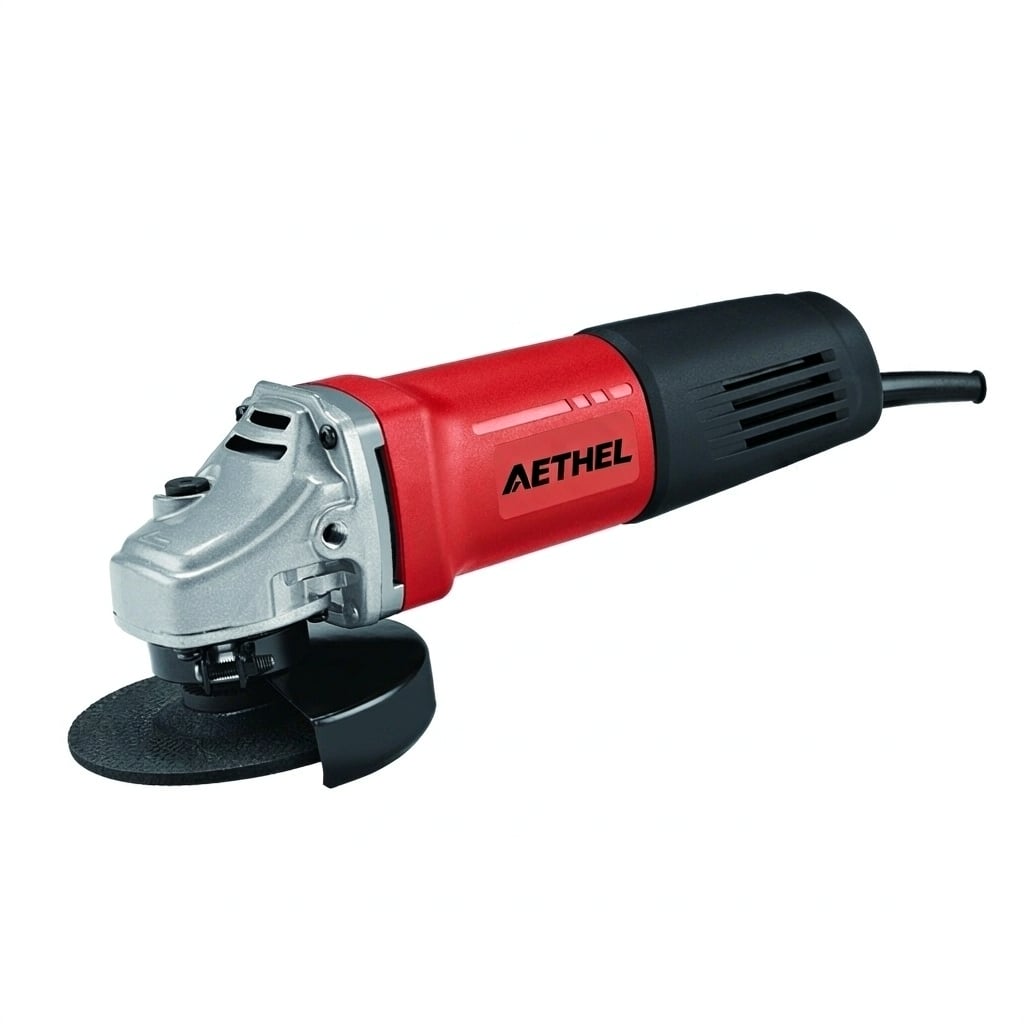
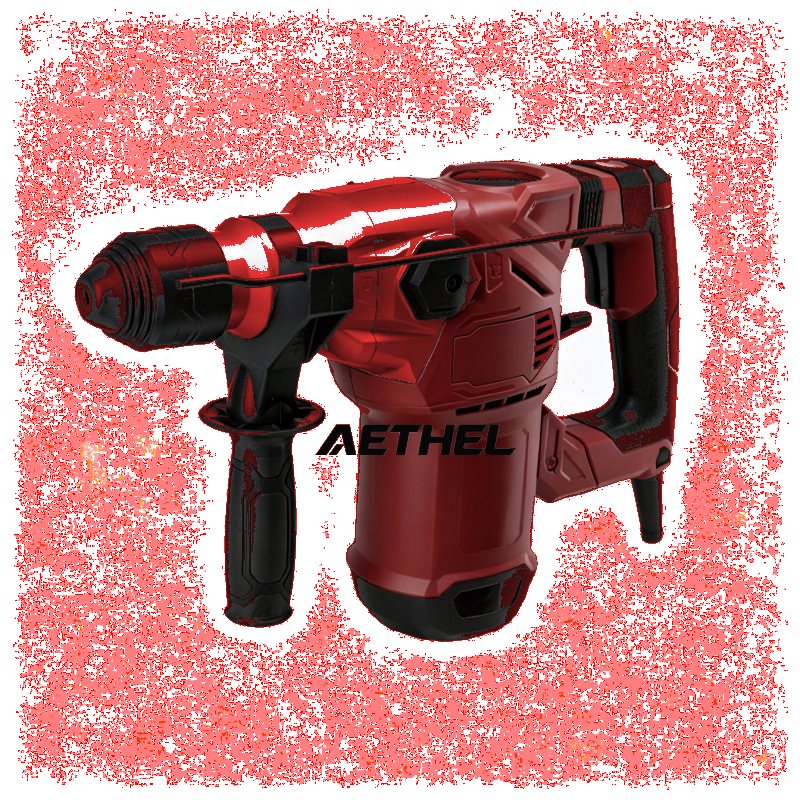
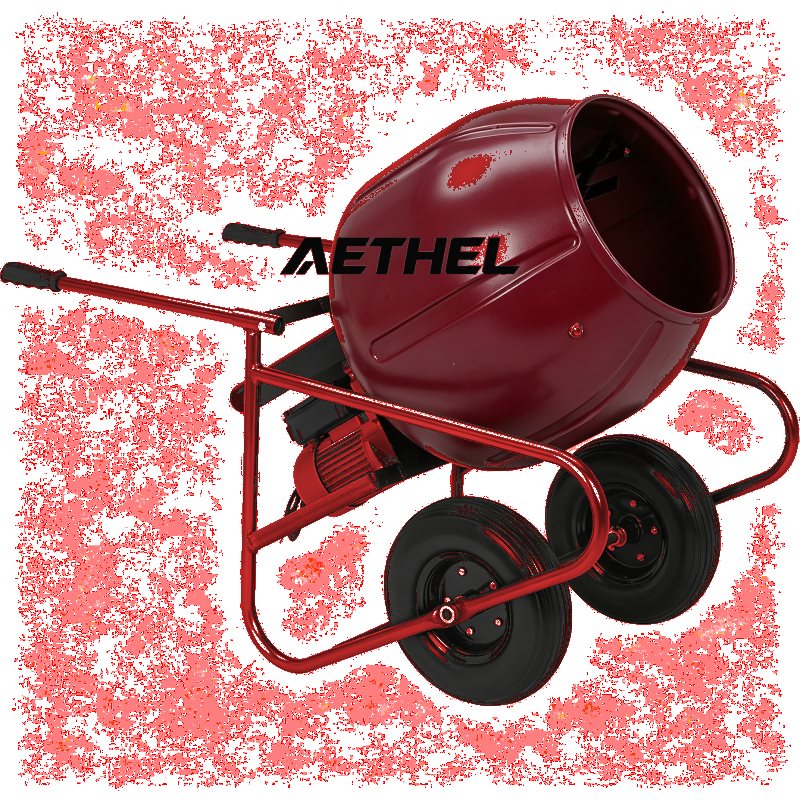
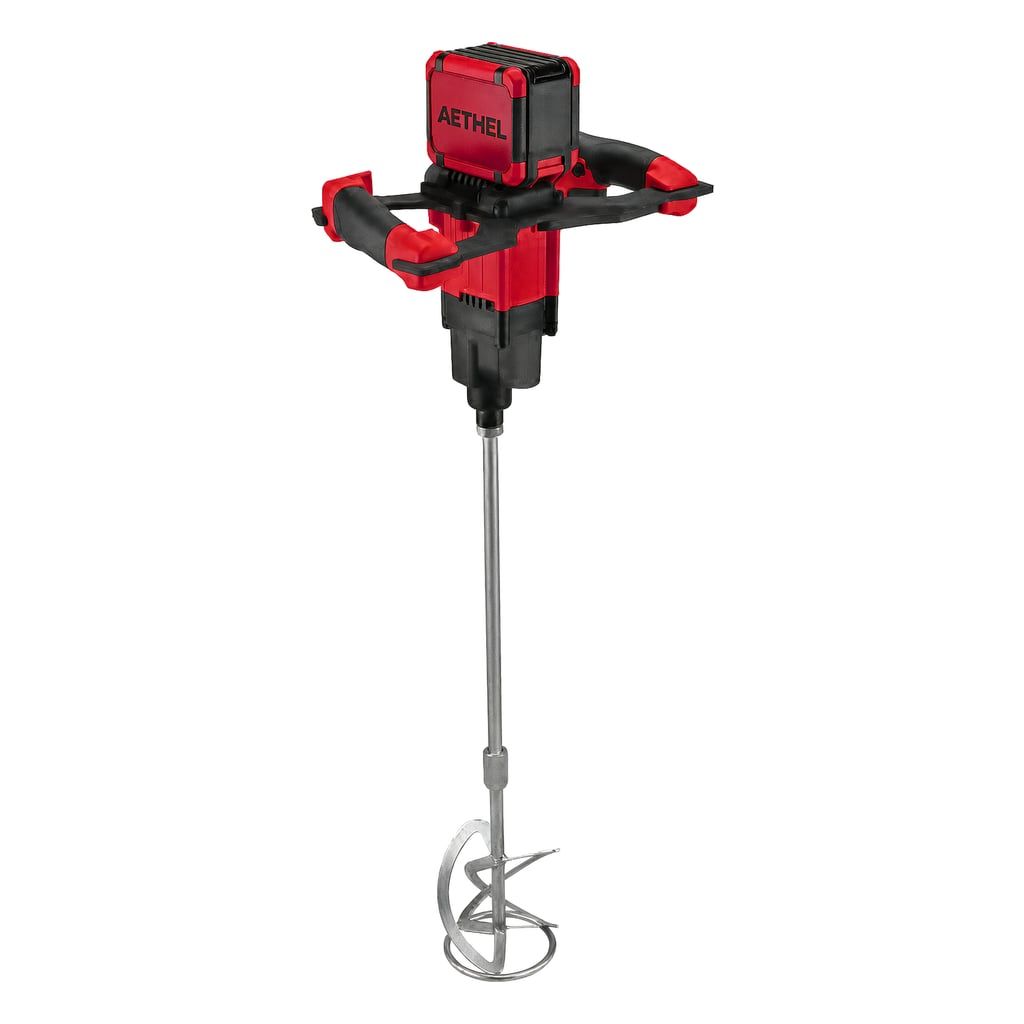
A factory owns the production line and gives the lowest cost, but usually demands higher MOQs and focuses on a narrow product line. A trading company or sourcing partner aggregates multiple qualified factories, letting you buy a full range — drills, grinders, mixers, concrete mixers — from one accountable partner with one quality standard and one shipment. For a distributor building a broad brand, a sourcing partner that manages several factories is often more practical than managing a dozen vendor relationships alone. AETHEL works this way: a 500+ factory network with one point of accountability.
MOQ, Samples and Lead Time: What to Expect
The standard MOQ is 500 pcs per model — it spreads the fixed cost of a private-label run (labels, cartons, production slot, inspection) across enough units to keep the price workable. Samples take one to two weeks after the specification is agreed; mass production runs one to two months after sample and artwork approval. Plan for this in your buying calendar — a rushed order is where quality slips.
Certification: The Non-Negotiable Check
CE is mandatory for Europe, with GS, EMC and RoHS as the usual companions; North America looks for UL or ETL on the specific models you import. Always verify certificate numbers against the issuing body rather than accepting a logo on a page. For cordless tools, confirm UN38.3 and MSDS documentation for battery shipping. A supplier that cannot produce the certificates you need is a risk, whatever the price.
Quality Control and Inspection
Quality is decided before inspection — by the specification sheet, the approved pre-production sample and the tooling. Inspection confirms it. Insist on third-party inspection (SGS, BV, TÜV or your own agent) on the first order, timed to land on finished, packed goods. Agree the acceptance criteria and any AQL level before production, and confirm the 12-month warranty terms and which parts are wear items.
Payment, Shipping and the Full Picture
Standard terms are T/T or L/C, with the deposit at order and the balance before shipment. Ask for the loading quantity per container for each model, because freight cost per unit changes the landed price dramatically. Confirm the voltage and plug standard for your market, the packing format (plain carton, colour box or case) and whether the machine ships assembled. Compare total landed cost, not ex-works price — a cheap machine that costs more to ship and to support is not cheaper.